Pain is a part of the universal human experience. It acts normally as a messaging system to alert us of probable danger. It, at times, signals an injury. However, chronic pain is a whole different ball game. The discomfort becomes a chronic condition when it does not go away after six months.
The truth is that the problems of chronic pain are very complicated. However, pharmaceuticals might have a role in chronic pain management. Most of the time, physical therapy comes to be the cornerstone in the life of a patient, very underappreciated compared with other modalities being used in managing chronic pain.
The Limitations of Medication Alone
Medication provides short-term relief from chronic pain, but it comes with a host of hazards and adverse effects, including tolerance, addiction, and reliance. The vicious circle of medication reliance in pain management continues since they only treat the symptoms and not the underlying causes of the pain.
Here Comes Physical Therapy
Physical therapy provides the patient with drug-free, non-injurious measures directed at controlling chronic pain by dealing with its causes and, hence, promoting healing.
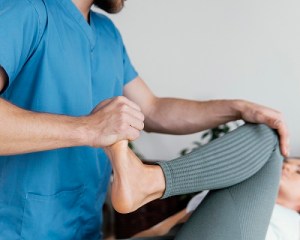
Physiotherapists apply exercise, manual therapy, and education to increase an individual’s movement ability, strength of movement, flexibility in movement, and functional ability in an attempt to take charge of his body and life.
Techniques and Therapies in Physical Therapy
The following are the most common approaches and therapies within the reach of a physical therapist in solving problems related to chronic pain:
Exercise as Medicine
Exercise is one of the foundations of physical therapy in treating chronic pain. Contrary to what most people understand, the endorphin-releasing action is also likely to reduce ongoing pain. Aside from stimulating the body’s natural pain-killing mechanisms, exercise engages body movement, improves blood circulation, and reduces inflammation.
Physical therapists design individualized exercise programs to gradually build strength, endurance, and resiliency while reducing the risk of injury or aggravation of pain with respect to intensity and duration.
Manual Therapy Techniques
Other therapy methods include manual therapy, which is used to reduce pain and foster mobility. The most common examples include mobilizations of joints and soft tissues, massage therapies like myofascial release and trigger point therapy for muscles that have become taut, and joints with movement restrictions or restrictions due to tension.
Modalities
Physical therapists also use various modalities, such as heat, cold, ultrasound, or electrical stimulation, to manage pain. These are applied to reduce the level of pain and swelling to facilitate healing.
Assistive Devices
For some patients, assistive devices can be life-changing. From canes to orthotics, their correct usage can reduce pain mechanics with movement by more than 50%.
Functional Training
Physical therapists will also provide functional training to learn how to re-institute everyday activities so that little or no pain/strain is felt. All of those therapies can be considered one of the potent weapons in the armory against chronic pain. A competent physical therapist will know how and when to use each and put them together for the greatest effect.
Education and Self-Management Strategies
Education is a crucial component of physical therapy for chronic pain management. Physical therapists educate patients on their condition, body biomechanics, or pain science. It helps demystify symptoms to empower the individual in their own recovery.
They also offer practical means of self-management, like the use of appropriate body mechanics, ergonometric modifications, and techniques for effective stress management through lifestyle modifications. These aid in increasing the control of pain and preventing flare-ups.
Functional Restoration and Return to Activities
The ultimate goal of physical therapy for chronic pain is to restore function and improve quality of life. Physical therapists set realistic goals based on the client’s needs, preferences, or aspirations that bring one back to work, hobbies, sports, or just enjoying daily activities without discomfort and pain.
They establish elaborate treatment plans that address physical, emotional, and social issues of pain management yet ensure holistic healing, henceforth, future success.
Integral Role of Movement in Recovery
There is a reason behind the use of movement and exercise in physical therapy for chronic pain. The movement has to be part of recovery for a few reasons:
Building Resilience and Tolerance
In fact, even light, regular activity may help the body get used to pain and increase its tolerance, as well as reduce sensitivity to chronic pain.
Restoring Function
Most patients are limited by chronic pain to perform even simple day-to-day activities. Physical therapy works towards restoration to full capacity. Thus, it provides independence and, hence, improves the quality of life for the patient.
Preventing Deconditioning
Inactivity can cause muscle wasting, reduce circulation, and reduce cardiovascular fitness. Adding movement into your routine keeps a patient from having the above adverse effects.
Benefits of Physical Therapy
Engaging in physical therapy for chronic pain offers numerous benefits, including:
Pain Relief
Physical therapy techniques are successful in relieving the pain, relaxing the muscles, and, along with it, recovering mobility of people who are suffering from chronic pain with a very low quality of life.
Improved Function
The exercises aim to improve his physical function, range of motion, and movement patterns, enabling him to perform his daily activities more effectively and efficiently.
Enhanced Quality of Life
Physical therapy improves an individual’s quality of life by reducing pain, improving function, and ultimately resulting in better overall well-being, especially when living with chronic pain. It helps empower the individual to regain an active life, meaningful activity, and perhaps a level of independence and self-determination.
Reduced Reliance on Medications
Physical therapy, on its side, makes it possible to deal with chronic pain without the consumption of some of these drugs. The side effects are likely to be ingested. It offers individuals safe and effective strategies for dealing with pain management, hence long-term health solutions.
Prevention of Further Complications
Physical therapy reduces the risk of long-term disability by treating the real underlying source of pain and dysfunction, preventing further complications and future injuries, and promoting ideal musculoskeletal health.
Challenges of Physical Therapy in Chronic Pain Management
Even if physical therapy represents an excellent tool for the management of chronic pain, it is not a soft hunt. Some of the most important barriers include:
Insurance Coverage
At the same time, insurance coverage can also limit access to physical therapy in case it sets the number of sessions or nature of treatments to be reimbursed. That frustrates the patients and practitioners, who are fully aware of the value of continuing care.
Time and Commitment
Patients must be willing to adhere to the recommended visit schedule and prescribed exercises at home. That might be a great place to stop for many.
Finding the Right Therapist
No doubt, the role of the success of physical therapy hinges on the relationship between the patient and the therapist. In this respect, it is key to locate an experienced therapist, empathetic to the complexities of chronic pain, and, most importantly, one you can work freely with.
Patients, therapists, and policymakers can jointly fight these by raising voices against the under-delivered access and coverage of physical therapy services.
Cultivating a Proactive Approach to Pain
Among the major advantages that accompany physical therapy in such a context of chronic pain management is the promotion of a proactive mindset. PT is not a passive way of suffering in pain until the treatment gives relief or a form of hope; it implies that patients learn tools to control their health and quality of life.
Patients learned to see the early signs of pain. They approached these not with the dread that had prevented so many activities in the past but as a way for them to practice interacting proactively with their treatment plan.
This often means a dramatic shift in how patients relate to their pain and how intense and impacting it has been. It can significantly change the lives of people who had thought they would have to live with chronic pain for the rest of their lives. This change is possible because of the hands-on guidance, education, and support that physical therapists bring.
Overcoming Barriers to Access
The inconsistency of insurance coverage, the geographical disproportion of PT services, and even the misconception that it is a luxury rather than a need all require equity advocacy at policy levels and community sensitization. Besides, increased public education on the role of physical therapy in the management of chronic pain is equally paramount. However, it should be coupled with continued integration into the healthcare system.
A Future with Integrated, Accessible Therapy
The future in physical therapy for managing chronic pain is bright. Interdisciplinary collaboration among researchers offers a high probability of better outcomes.
This underlines the continued importance of integrating physical therapy into other treatments and providing individualized care with access so that all people living with chronic pain may appreciate the value of physical therapy.
Transform Your Approach to Chronic Pain with Marcel Jacobs PT
Chronic pain doesn’t have to dictate your life. At Marcel Jacobs PT, we offer a holistic and innovative approach to managing chronic pain that transcends traditional methods. We understand the limitations of medication alone and are dedicated to providing you with effective, drug-free solutions tailored to your unique needs.
Why Marcel Jacobs PT is Your Ally in Chronic Pain Management:
Expert Care: Our team of skilled physical therapists employs a blend of exercise, manual therapy, and cutting-edge modalities to address the root causes of your chronic pain, promoting healing and pain relief.
Personalized Treatment Plans: We recognize that every individual’s experience with chronic pain is unique. That’s why we develop customized treatment plans that focus on improving your function, mobility, and overall quality of life.
Comprehensive Education: We empower you with knowledge about your condition and provide self-management strategies to enhance your control over pain and prevent flare-ups.
Innovative Techniques: Utilizing the latest advancements in physical therapy, we incorporate techniques such as functional training and assistive devices to support your journey to recovery.
Take the first step towards a life with less pain and more joy. Contact Marcel Jacobs PT today and discover how our patient-centered approach can make a significant difference in managing your chronic pain. Let us be your partner in navigating the challenges of chronic pain and restoring your well-being.