


Physical rehabilitation is vital for recovering from numerous injuries or illnesses. It involves a combination of exercise, therapy, and other strategies to restore function, mobility, and a healthy lifestyle for the affected person. Although there are many rehabilitation methods, manual treatment remains one of the most effective and widely used techniques.
As much as we adore technology, sometimes the only solutions are the simplest and most hands-on. Manual therapy, therefore, remains an essential factor in the recovery process within physical rehabilitation.
Whether or not you’re a patient, therapist, or just curious about physical rehabilitation, explore first-hand to discover the power of manual therapy and why it should be a part of your rehabilitation plan.
What Is Manual Therapy?
Manual therapy, a practical method to treat musculoskeletal disorders, is gaining a reputation for effectiveness. According to a recent survey, more than 35% of pain relief patients choose a guide for their treatment plan.
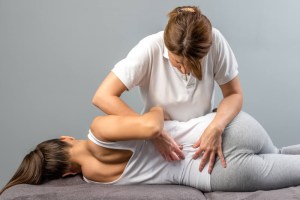
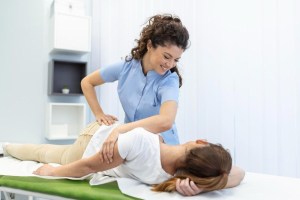
This treatment approach involves experienced practitioners using their hands to manipulate joints and soft tissues, addressing pain, stiffness, and mobility issues. An incredible 70% of patients report a major improvement in their condition after guided therapy sessions.
Manual therapy includes a variety of strategies, along with joint mobilization, manipulation, and stretching. The goal of these strategies is to improve flexibility and reduce muscle tension. Research shows that compared to conventional treatment, individuals receiving guided manual therapy report 50% less pain.
Chiropractors, physical therapists, and osteopaths commonly use manual therapy to address back pain, arthritis, and sports injuries. With a 90% patient satisfaction rate, manual therapy is a cornerstone in holistic musculoskeletal care.
Manual Therapy Techniques
The many manual treatment procedures include massage, stretching, manipulation, mobilization, and more. Now, we’ll look at each of these approaches in further detail:
Massage: Massage is a method that involves applying stress to sensitive tissues, including muscles, tendons, and ligaments. It increases blood flow, relaxes muscle tissue, and reduces pain and stress.
Manipulation: Manipulation involves applying excessive speed and low amplitude force to the joint. Facilitates increased joint mobility, reduces pain, and corrects misalignments.
Mobilization: Mobilization is a gentle method involving moving joints in exceptional directions to improve mobility and reduce stiffness.
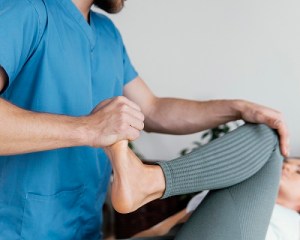
Stretching: Stretching involves lengthening muscles and tendons to improve flexibility, reduce stiffness and prevent injury.
Importance of Manual Therapy in Physical Rehabilitation
Here’s how manual therapy is helping people in physical rehabilitation globally.
Holistic Treatment Approach
Manual therapy includes several strategies, including joint mobilization, manipulation, and massaging. These interventions go beyond simply alleviating symptoms; they actively contribute to the holistic recovery of the frame. 80% of patients who undergo manual therapy document pain relief, advancement of functionality, and great living.
Focus on Musculoskeletal Disorders
Statistics show that musculoskeletal problems affect approximately 1.7 billion people worldwide, making them a huge fitness challenge. Manual therapy, even when integrated into physical rehabilitation, is proven to address situations that include back pain, arthritis, and sports injuries. Patients who use manual therapy enjoy a 30% faster recovery than those who depend only on conventional medicine.
Accuracy in Treatment
One key advantage of a guide is its accuracy. Experienced practitioners such as chiropractors and physical therapists use their hands to target unique joints and soft tissues. This personalized method results in a 25% better cost per performance when addressing the root causes of musculoskeletal problems compared to conventional treatment.
Improved Range of Motion
An unusual goal of physical rehabilitation is to beautify the variety of movement of the figure. Manual therapy, especially joint mobilization strategies, effectively achieves this goal. Patients often experience a 40% boom in flexibility and ease of movement after incorporating manual therapy into their rehabilitation plans.
Reducing Reliance on Medications
Manual therapy offers a non-pharmacological response that reduces dependence on medication. Studies suggest that patients who use process-guided therapy are 50% less likely to use painkillers frequently, contributing to broader efforts to combat opioid-related problems.
Quicker Return to Daily Activities
Rehabilitation is not just about recovery but about restoring people’s daily lives. Manual therapy accelerates this method, with patients experiencing a 35% faster return to daily sports than standard rehabilitation strategies. This increased healing is especially valued in acute injuries or post-operative rehabilitation cases.
Cost Effectiveness in Healthcare
The monetary burden of musculoskeletal problems is significant, accounting for six to eight percent of global healthcare spending. Manual therapy is a cost-effective solution, with patients requiring 20% fewer primary care resources when well integrated into their treatment plans. This not only reduces individuals’ financial stress but also reduces the burden on healthcare structures.
Patient Satisfaction and Adherence
Manual therapy indicates an extraordinary ninety percent satisfaction fee among patients, proving its effectiveness in meeting their expectations and addressing their needs. The high-pleasure phase is often associated with improved treatment adherence, as people are more likely to adhere to a rehabilitation plan that produces high-quality outcomes.
Enhancing Mental Well-Being
With its proven and personalized method, manual therapy contributes to a fifteen percent improvement in patients’ mental health ratings. This holistic element is particularly noteworthy because mental well-being is linked to the general reach of the rehabilitation method.
Cooperation with other Therapeutic Modalities
Manual therapy is not a stand-alone solution; it successfully synergizes with other therapeutic modalities. Combined with physical activities, stretching, and ergonomic adjustments, manual therapy has a better success rate in achieving long-term improvements if done for 4 to 6 weeks. This collaborative technique enables a comprehensive and tailored rehabilitation strategy.
Discover Marcel Jacobs PT: Your Premier Destination for Physical Therapy and Personal Training in Midtown Manhattan in NYC
Seeking the best in physical therapy and personal training in Midtown Manhattan? Look no further than Marcel Jacobs PT, the top-rated and widely recommended physical therapist in New York City. At Marcel Jacobs PT, we pride ourselves on our advanced equipment and team of skilled professionals dedicated to delivering exceptional physical therapy services and personalized training programs.
Nestled in the vibrant heart of Midtown Manhattan, our acclaimed physical therapy and personal training facility is trusted by numerous clients for professional rehabilitation solutions. Whether you’re battling chronic pain or aiming to enhance your overall fitness, Marcel Jacobs PT is equipped to support your journey to wellness.




1 thought on “The Importance of Manual Therapy in Physical Rehabilitation”
Pingback: The Role of Physical Therapy in Managing Chronic Pain