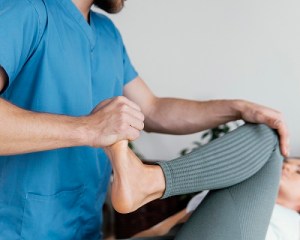
Sciatica is a neurological condition that presents with pain that is caused by irritation or compression of the sciatic nerve. The latter is the longest single nerve in the body. The path of the sciatic nerve runs from the lower back, through the buttocks, and down the legs.
Sciatica can cause a wide range of symptoms, including pain that radiates from the lower back and down the leg, tingling or numbness in the leg, and weakness in the leg. The severity of the symptoms can vary from one patient to another.
In this article, we will cover the signs and symptoms of sciatica, as well as the most common causes of this disease. After that, we will discuss the research that focuses on the benefits of physical therapy in managing sciatica.
What are the signs and symptoms of sciatica?
One of the most common symptoms of sciatica is pain that radiates from the lower back and down the leg. This pain is often exacerbated when you sit down or stand for a long time. Conversely, lying down or walking can reduce its severity.
Other common symptoms of sciatica include:
- Tingling or numbness in the leg
- Weakness in the leg or foot
- Difficulty moving the leg or foot
- Muscle spasms or cramping in the leg or buttocks
In addition to these physical symptoms, sciatica can also trigger psychological symptoms such as anxiety and depression. This is because chronic pain can take a toll on a person’s mental health. Moreover, the inability to perform certain activities due to the pain often precipitates feelings of frustration and helplessness. Sciatica can also cause bowel or bladder trouble. However, this is relatively uncommon.
Make sure to seek professional help as soon as possible if you are experiencing any of these symptoms.
It is also important to take steps to prevent sciatica from occurring altogether. This may include:
- Maintaining good posture
- Engaging in regular exercise and stretching
- Using proper lifting techniques
What are the causes of sciatica?
There are several factors that may be the triggers of sciatica, including:
Herniated disc – A herniated disc develops when the soft center of a spinal disc swells out through a tear in the outer ring. Consequently, the sciatic nerve will be compressed, leading to pain.
Spinal stenosis – Spinal stenosis is a condition where the spaces within the spine become narrowed. This puts pressure on multiple nerves, including the sciatic nerve.
Spondylolisthesis – This condition occurs when one vertebra slips forward over another one. As a result, the sciatic nerve might get compressed.
Piriformis syndrome – The piriformis is a small muscle located in the buttocks that helps to rotate the leg outward. If this muscle becomes tight, it can put pressure on the sciatic nerve.
Pregnancy – The weight and pressure of a growing baby can put a strain on the lower back and cause sciatica.
Obesity – Being overweight also places more pressure on your spine and increases your risk of sciatica.
Diabetes – People with diabetes are more likely to develop nerve damage.
Poor posture – Slouching or sitting for long periods of time can lead to muscle imbalances and strain on the lower back.
How to treat sciatica
Exercise and stretching
A physical therapist can create a tailored exercise program to strengthen the back and core muscles, as well as stretching exercises to alleviate pressure on the sciatic nerve.
Exercise also improves blood flow and reduces inflammation. Some exercises that may be recommended include hamstring stretches, knee-to-chest stretches, and pelvic tilts.
Related – You can learn more about evidence-based exercises to boost your health by clicking here
Manual therapy
Physical therapists might also use manual techniques, such as massage or spinal manipulation, to reduce inflammation and pressure on the sciatic nerve. Spinal manipulation can help realign the spine and reduce nerve pressure.
Cryotherapy and thermotherapy
Alternating hot and cold compresses might reduce your back pain. Cold therapy targets swelling and inflammation while heat therapy improves blood flow and flushes out proinflammatory cytokines.
Posture correction
A physical therapist will assess your posture and make recommendations to alleviate pressure on the sciatic nerve. Poor posture will eventually contribute to sciatic pain. Therefore, addressing problems in your posture can mitigate your symptoms.
Electrical stimulation
Electrical stimulation is another option used by physical therapists to alleviate pain and promote healing. This technique involves using a device that sends electrical impulses to the affected area to upregulate injury-repairing processes.
Pharmacological drugs
While physical therapists cannot prescribe medications, they can work in conjunction with your doctor to recommend appropriate medication for pain relief. Anti-inflammatory medications, muscle relaxants, and pain relievers may also be beneficial to manage sciatic pain.
How to prevent sciatica
Proper posture
Maintaining a good posture while sitting, standing, and lifting can help prevent unnecessary pressure on the sciatic nerve. Make sure to keep your spine straight, shoulders back, and feet flat on the ground while sitting.
Ergonomic modifications
Making ergonomic modifications, such as adjusting your workstation, will undoubtedly reduce strain on the back. A comfortable and supportive chair, proper keyboard placement, and adequate lighting can all help prevent sciatic pain.
Learn more about lower back pain by clicking here
Weight management
Excess weight will apply more pressure on your back. This might worsen sciatica. Conversely, maintaining a healthy weight lowers the risk of sciatica and other back problems.
Proper lifting technique
Using proper lifting techniques, such as using your legs and not the back to lift, may prevent strain on the back muscles and prevent sciatica.
Find Relief from Sciatica with Marcel Jacobs PT
Step into a world of effective sciatica management at Marcel Jacobs PT, where our fusion of advanced physical therapy techniques and personalized care directly targets your sciatica pain. Positioned at the heart of our community, our clinic is dedicated to providing relief and improving the quality of life for those affected by this challenging condition.
Why Marcel Jacobs PT is Your Go-To for Sciatica Solutions
Tailored Treatment Plans: Recognizing that sciatica affects each person differently, our skilled professionals develop bespoke treatment strategies that focus on your unique symptoms, lifestyle, and recovery objectives.
Comprehensive Care Approach: We go beyond treating just the symptoms. By incorporating a range of exercises, hands-on therapies, and lifestyle modifications, we address the pain and its underlying causes, providing a more complete healing experience.
Proactive Education and Prevention: Knowledge is power, and at Marcel Jacobs PT, we empower you with essential information on maintaining proper posture, making ergonomic adjustments, and practicing preventive measures to not only manage your current condition but also to reduce the risk of future sciatica flare-ups.
Sciatica doesn’t have to control your life. Turn to Marcel Jacobs PT for a holistic and compassionate approach to overcoming your pain and enhancing your mobility. Let’s work together to chart a course toward a more active, healthier lifestyle without the limitations imposed by sciatica. Contact us today and take the first step toward living without pain.