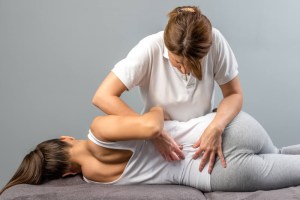
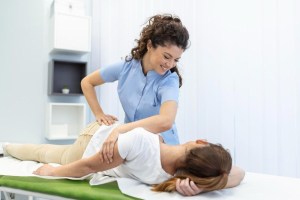
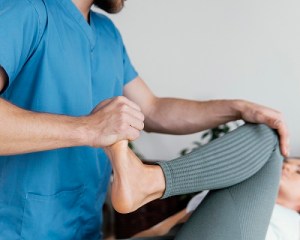
The relationship between pain relief and physical therapy directly affects the improvement of posture and mobility issues. People endure persistent discomfort because of their poor posture, muscular inequality, and tissue-related injuries. The goal of physical therapy posture correction is to develop muscle strength and lead to better flexibility.
The improper alignment of the body leads to pain and physical challenges, which develop into lasting medical issues. Physical therapy pain relief methods capture postural unbalances to establish lasting solutions for people suffering from posture-induced pain.
Knowledge of physical therapy posture correction methodology helps people develop proactive approaches to achieving their goal of a pain-free existence. This blog reviews the robust relationship between physical therapy and pain relief and how they improve body posture through a scientific perspective.
What Is the Role of Posture in Pain Relief?
Your distribution of body weight strongly depends on your posture. Bad posture leads to increased stress on muscle tissue, ligaments, and connecting bones, producing enduring discomfort and persistent aches.
The techniques involved in physical therapy and pain relief treatment focus on correcting faulty body alignment to decrease muscle fatigue. A person who stands in a neutral position enables their skeletal structure to operate efficiently because all muscles and joints function effectively. The improved function of proper posture aids the proper respiratory system operation and adequate blood circulation and digestive processes to support total wellness.
The primary causes of posture issues include standard sitting activities, damaged body parts, and irregular muscle mechanics. When treating posture disorders, professionals of physical therapy for posture correction identify the root causes and apply restorative treatments to restore balance. Professional exercises combined with therapeutic practices enable patients to obtain permanent pain relief and enhanced physical motion.
Types of Physical Therapy for Pain Relief and Posture Correction
1. Orthopedic Physical Therapy:
Orthopedic physical therapy for posture correction helps patients manage both their postural disorders and their joint pain as well as musculoskeletal injuries. Physical therapy pain relief occurs frequently through this treatment method. Customers undergoing therapy perform stretching exercises while building strength through manual procedures and functional restoring steps.
2. Neurological Physical Therapy:
Neurological physical therapy exists to assist patients whose nervous system faces conditions like stroke together with Parkinson’s disease and multiple sclerosis. The conditions make patients experience difficulties with coordination, posture imbalances and decreased balance control. Neurological physical therapy posture correction includes methods that enable patients to control their movements, decreasing the possibility of both accidents and discomfort.
3. Geriatric Physical Therapy:
As people get older, their posture faces predictable changes because their muscles weaken while their joints deteriorate and their flexibility decreases. The physical therapy for posture correction strategies used in geriatric care work to stop accidental falls while improving body movement and easing senior patient discomfort. The therapy promotes stability and muscle-strengthening activities, enabling senior adults to maintain an independent lifestyle and enhance their quality of life.
4. Sports Physical Therapy:
The ability to optimize performance and prevent injuries depends on having the correct posture among athletes. The methods in sports physical therapy pain relief and posture correction target structural changes from activities and sports-related injuries. The therapists develop specific treatment plans that target muscle coordination stability and flexibility gains.
5. Pediatric Physical Therapy:
The treatment benefits of pediatric physical therapy help developmentally delayed children as well as those experiencing postural problems. Physical therapists use specific interventions to treat conditions comprising scoliosis, flat feet, and any type of muscular imbalance. Early medical attention fosters muscle growth while enabling children to develop good posture techniques during their development.
The Connection Between Physical Therapy, Pain Relief, and Posture Improvement
1. Making Core Muscles Stronger for Spinal Support:
An upright posture depends on core functions, as they distribute body weight and relieve stress from the spine. Weak core muscles cause body slouching while increasing stress levels in the lower back.
Physical therapy for posture correction should include deep back muscle and abdominal training because these specific muscles provide essential spinal support and pain management benefits. The body maintains proper alignment when core muscles stay strong, thus lowering the chance of developing chronic pain.
2. Improving Spinal Alignment and Joint Health:
Spinal misalignment stands as one principal reason behind ongoing pain problems. When posture is improper, the body distributes inconsistent forces over the spine. This leads to discomfort and reduced mobility.
Through physical therapy and pain relief, patients receive manual therapy combined with spinal adjustments, which work together with purposeful exercises that normalize spinal alignment. The correct position of body parts safeguards joints from damage, which decreases the odds of herniated discs and arthritis development.
3. Reducing Muscle Tension and Preventing Stiffness:
Stiffness in the muscles tends to affect those who maintain improper postures. Muscle misalignment triggers muscular tightness, which leads to discomfort. Physical therapy posture correction with pain relief through stretching muscles, massage therapy, and relaxation methods provides tension relief.
Physical therapy for posture correction helps patients develop better flexibility while relaxing their body. This results in decreased stiffness and better ease of movement.
4. Enhancing Flexibility and Range of Motion
A lack of flexibility leads to faulty movements, which create out-of-balance body postures. Pain relief and Physical therapy techniques teach patients to increase muscle flexibility so their movements remain unrestricted.
Improved flexibility minimizes forces on muscles and joints, which both blocks the formation of injuries and sustains greater movement precision.
5. Correcting Postural Habits for Long-Term Pain Prevention
Humans normally form bad posture behavior because they spend too much time sitting or lifting improperly or performing similar tasks. Such behavioral patterns will gradually lead to persistent pain development.
The main objective of physical therapy for posture correction entails teaching muscles to choose healthful postural patterns. Appropriate posture education, along with hands-on practice, enables people to stop their pain from coming back.
The Science Behind Physical Therapy for Pain Relief and Posture Correction
Physical therapy pain relief techniques utilize biomechanical and neuromuscular re-education practices in combination with scientific studies of movement. Therapists’ analysis of body movements and detection of muscle imbalances depend on evidence-based approaches. Physical therapy posture correction successfully targets specific encounters to fix proper movements and blockade new pain development.
| Aspect | Impact on Posture | Role in Pain Relief | Common Techniques Used |
| Core Strengthening | Improves spinal support and alignment | Reduces lower back pain by distributing weight evenly | Planks, bridges, stability ball exercises |
| Spinal Alignment | Restores natural posture and prevents misalignment | Reduces joint stress and muscle fatigue | Manual therapy, spinal adjustments, ergonomic training |
| Muscle Tension Reduction | Prevents stiffness and improves movement | Alleviates soreness caused by overworked muscles | Myofascial release, deep tissue massage, stretching |
| Flexibility Training | Enhances range of motion for better posture | Prevents injuries and reduces strain on joints | Dynamic stretching, yoga-based exercises |
| Postural Habit Correction | Reinforces healthy posture in daily activities | Prevents chronic pain caused by prolonged misalignment | Ergonomic training, guided posture exercises |
| Joint Stability Training | Strengthens joints to maintain correct posture | Reduces the risk of instability-related injuries | Proprioceptive training, resistance exercises |
| Pain Prevention Strategies | Minimizes risk of long-term postural disorders | Helps avoid chronic conditions like sciatica or arthritis | Personalized physical therapy programs, lifestyle adjustments |
Conclusion
Combining medical pain treatments with physical therapy leads to sustained health benefits and improved mobility. Proper posture correction therapy from physical therapy effectively helps patients resolve their chronic discomfort caused by poor posture. Physical therapy pain relief treatments establish a pain-free existence for patients through muscle strengthening exercises, flexibility improvements, and postural adjustments. For the best pain relief and physical therapy, get in touch with Marcel Jacobs PT!
FAQs
1.What is the relationship between physical therapy and pain relief?
Physical therapy is essential for pain relief. It addresses all the underlying causes of pain, like poor posture, muscle imbalances, and joint dysfunction.
2. How does physical therapy improve posture?
Physical therapy improves posture by strengthening core muscles and improving spinal alignment. It also reduces muscle tension and enhances flexibility.
3. What types of physical therapy are available for pain relief and posture correction?
The types of physical therapy pain relief and posture correction include orthopedic, neurological, geriatric, sports, and pediatric physical therapy.