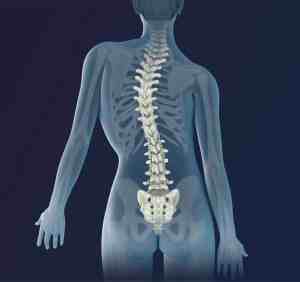
Spinal stenosis is characterized by the narrowing of the spaces in the vertebral column, causing pressure on the spinal cord and nerves running through the spine. Spinal stenosis most often occurs in the neck and lower back. Symptoms can greatly vary, ranging from no symptoms to severe pain, numbness, and tingling. Spinal stenosis is typically due to the normal wear and tear that occurs in the joints of the spine with aging and arthritis changes. A small percentage of cases require surgical intervention in order to decompress the spine and create more space for the nerves.
The Most Common Signs & Symptoms of Spinal Stenosis
Not all cases of spinal stenosis are symptomatic. However, those that are symptomatic start slowly and get worse over time.
In the lower back (lumbar spine):
- Pain or cramping in one or both legs after prolonged standing or walking
- Lower back pain
- Improvement in pain and stiffness when sitting or bending forward
- Problems with walking or balance
In the neck (cervical spine):
- Numbness
- Weak or tingling in arm or hand
- Neck pain or stiffness
- Problems with walking or balance
The Most Common Causes of Spinal Stenosis
- Bone spurs: Wear-and-tear damage from arthritis can cause extra bone to grow on the spine. These are called bone spurs. Bone spurs can push into the spinal canal.
- Herniated disc: When disc material leaks out, it can press on the spinal cord or spinal nerves.
- Thick ligaments: The strong tissue that holds the bones of your spine together can become stiff and thick over time. Thick ligaments can push into the spinal canal.
- Spinal Injuries: Motor vehicle accidents, and other trauma causing spinal deformity. Swelling after back surgery can also put pressure on the spinal cord and spinal nerves.
(Source: Mayo Clinic)
What Are the Treatments for Spinal Stenosis?
Marcel Jacobs PT provides a hands-on physical therapy approach which means you’re going to get fast access to immediate care in order to soothe and relax those tight and aching muscles, mobilize and loosen those restricted and painful joints, and strengthen your body so that you can go back to doing the things that you love. Your therapist will perform a thorough physical examination and evaluation in order to provide you with a deeper understanding of your impairments, compensations, and dysfunctions. You may find yourself having your concerns eased, questions answered, and physical pain reduced inside of 45 minutes with your physical therapist.