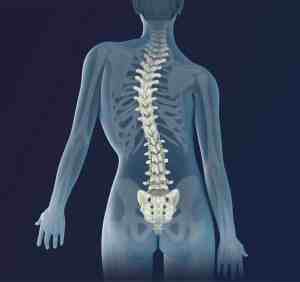
Scoliosis is characterized by a sideways curvature of the spine and is most often diagnosed during adolescence. The cause of scoliosis in childhood is mostly unknown. Although most cases of scoliosis are mild, some can be very severe causing curvature that can make it difficult for the lungs to function properly. In many cases, no treatment is necessary. Some children will need to wear a brace to stop the curve from worsening. Others may need surgery to straighten severe curves.
The Most Common Signs & Symptoms of Scoliosis
- Uneven shoulders
- One shoulder blade appearing more prominent than the other
- Uneven waist
- One hip higher than the other
- One side of the rib cage protruding forward
- A prominence on one side of the back when bending forward
The Most Common Causes of Scoliosis
- Doctors still don’t know what causes the most common type of scoliosis
- Neuromuscular conditions such as cerebral palsy or muscular dystrophy
- Previous surgery on the chest wall as a baby
- Spine injuries or infections
- Spinal Cord abnormalities
(Source: Mayo Clinic)
What Are the Treatments for Scoliosis?
Scoliosis treatments vary, depending on the severity of the curve. Mild curves usually don’t need any surgical treatments, although they still require regular checkups to monitor possible worsening of curvatures. Moderate to severe spinal curves may require bracing or surgery. Wearing a brace won’t cure scoliosis or reverse the curve, but it usually prevents the curve from getting worse. Surgical options include spinal fusion, attaching expandable rods, and vertebral body tethering.
Treatment plans may vary depending on the severity of the scoliosis. Your health care provider may request imaging to rule out other possible injuries and conditions while determining the severity of the scoliosis. Your back will certainly require safe and effective strengthening and mobilization to optimize function, while weighing surgical options as necessary. Marcel Jacobs PT provides a hands-on physical therapy approach which means you’re going to get fast access to immediate care in order to soothe and relax those tight and aching muscles, mobilize and loosen those restricted and painful joints, and strengthen your body so that you can go back to doing the things that you love. Your therapist will perform a thorough physical examination and evaluation in order to provide you with a deeper understanding of your impairments, compensations, and dysfunctions. You may find yourself having your concerns eased, questions answered, and physical pain reduced inside of 45 minutes with your physical therapist.