Marcel Jacobs PT – Midtown Manhattan Physical Therapy in NYC

Sciatica

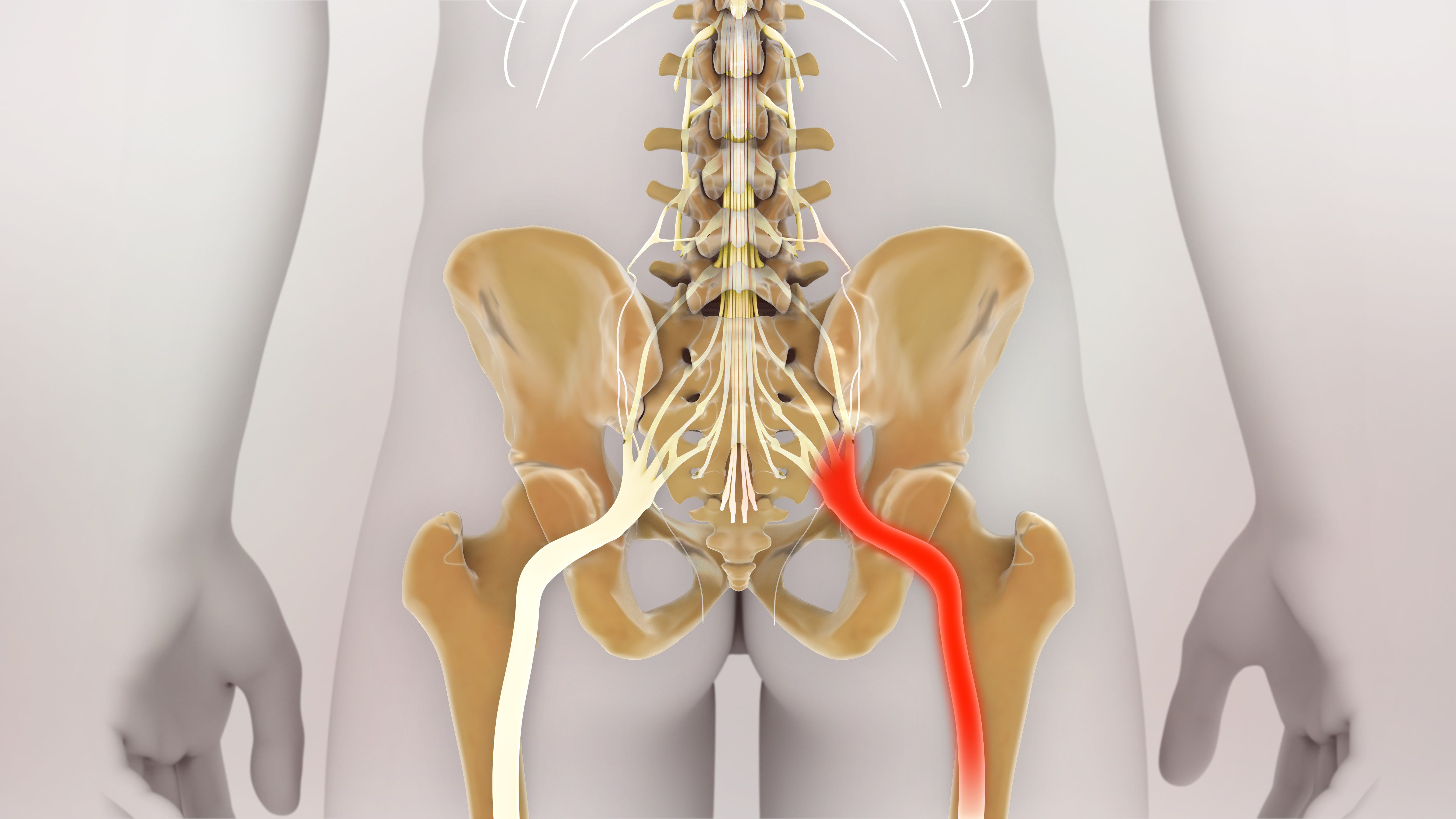
Sciatica is a term used to describe radiating pain along the path of the sciatic nerve, which branches from your lower back through the hips and down into each leg. A true diagnosis of sciatica typically involves symptoms on one side of the body. Conditions that cause compression of the sciatic nerve such as bone spurs, lumbar radiculopathy, disc herniations, or spinal stenosis, are all potential causes of sciatica. This nerve compression leads to inflammation, pain, and possible numbness in the affected leg. Nerve pain can be mild to severe depending on the level compression and inflammation. 

The Most Common Signs & Symptoms of Sciatica

  • Radiating pain from your lower back to your buttock and down the back of your leg
  • Pain can range from a mild ache to a sharp, burning sensation or exacerbating pain
  • Increased pain with prolonged sitting
  • Numbness or tingling in affected leg
  • Muscle weakness in affected leg

Possible Risk Factors For Sciatica

  • Age-related changes in the spine causing disc herniations, bone spurs, and spinal stenosis
  • Obesity can increase the stress on your spine causing spinal changes that may trigger sciatica
  • An occupation that requires you to sit for prolonged periods, twist your spine or carry heavy loads
  • Physical activity levels play a role on nerve compression, especially if you have a sedentary style, which is often associated with poor physical health

(Source: Mayo Clinic)

What Are the Treatments for Sciatica?

Marcel Jacobs PT provides a hands-on physical therapy approach which means you’re going to get fast access to immediate care in order to soothe and relax those tight and aching muscles, mobilize and loosen those restricted and painful joints, and strengthen your body so that you can go back to doing the things that you love. Your therapist will perform a thorough physical examination and evaluation in order to provide you with a deeper understanding of your impairments, compensations, and dysfunctions. You may find yourself having your concerns eased, questions answered, and physical pain reduced inside of 45 minutes with your physical therapist.
More in Hip Pain

Hip Bursitis

Hip bursitis is characterized by inflammation of the bursa in the hip, causing pain and stiffness. Bursae are small, fluid-filled sacs located throughout the human body, especially around the joints. They are structurally designed to provide a cushion between bones and tendons in order to reduce friction during joint movement.

Read More »

Hip Flexor Tendinopathy

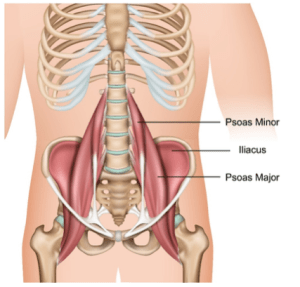
The hip flexor muscle group attaches to the front of your thigh via a tough tendon cord and helps lift your leg and knee The main hip flexor muscle group is called the Iliopsoas. A tendinopathy is a recurring injury or disease that affects a tendon that can cause tendon

Read More »

Hip Labral Tears

Labral tears in the hip are characterized by tearing of specialized stabilizing cartilage tissue in the hip causing pain and hip instability. Hip labral tears can occur in almost everyone, but are most often prevalent in athletes who participate in high-impact sports. The labrum is a thick ring of cartilage

Read More »

Hip Arthritis

Hip osteoarthritis, the most common form of hip arthritis, is a condition that many people develop as they age. Osteoarthritis of the hip develops as a result of the degenerative wear and tear changes in the hip joint as we age and cause a lot of  pain and stiffness. It

Read More »

Myofascial Pain Syndrome

Myofascial pain syndrome is a chronic pain disorder characterized by sensitive points in your muscles, also known as trigger points. Trigger points can cause pain in the muscle and may affect unrelated parts of your body, also known as pain referral. Typically, repetitive muscle contraction can lead to this syndrome.

Read More »

Piriformis Syndrome

Piriformis Syndrome is characterized by spasms in the piriformis muscle, leading to buttock pain. In some cases, the piriformis can irritate the adjacent sciatic nerve and cause sciatica-like pain, numbness, and tingling along the back of the leg and into the foot. The piriformis muscle attaches from the lower spine

Read More »

Discover more from Marcel Jacobs PT - Midtown Manhattan Physical Therapy in NYC

Subscribe now to keep reading and get access to the full archive.

Continue reading