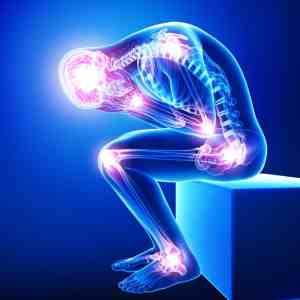
Postural dysfunction, or poor posture results from faulty body positioning as a whole. Proper posture indicates good alignment of the neck, torso, pelvis, arms and legs in a manner that does not impede the natural spinal curves as we sit, stand or move. Without this, we lose optimal balance and proportion of our body mass and framework. Poor posture can negatively impact breathing, bodily fluid circulation and muscle and joint control. Postural dysfunction typically occurs as a result of an individual’s lifestyle and/or occupational demands.
Postural dysfunction results from chronic spinal positioning that are unnatural to our natural spinal curves. This causes stressful positioning of the joints, muscles and vertebrae. Prolonged poor positioning may result in accumulation of pressure on these tissues. With time, dysfunction will occur because these tissues are overused, resulting in pain, difficulty with breathing, increased joint wear and tear, decreased endurance and weakness and possibly entrapment of nerves, arteries, veins and tendons. As a result, the body will respond with compensations involving abnormal movements in order to offset the dysfunction. This leads to over- and under-utilization of certain muscles and joints resulting in postural dysfunction.
The Most Common Signs & Symptoms of Postural Dysfunction
- Rounded shoulders
- Bent knees when standing or walking
- Head that either leans forward or backward
- Back pain and stiffness
- Muscle fatigue
- Headache
- Shoulder pain especially with overhead activity
(Source: Minneapolis Clinic of Neurology)
What Are the Treatments for Postural Dysfunction?
Once diagnosed the condition can be well managed with conservative treatment. There are many types of manual treatment techniques and corrective exercises and movements that are available to minimize, if not eliminate postural dysfunction. Marcel Jacobs PT provides a hands-on physical therapy approach which means you’re going to get fast access to immediate care in order to soothe and relax those tight and aching muscles, mobilize and loosen those restricted and painful joints, and strengthen your body so that you can go back to doing the things that you love. Your therapist will perform a thorough physical examination and evaluation in order to provide you with a deeper understanding of your impairments, compensations, and dysfunctions. You may find yourself having your concerns eased, questions answered, and physical pain reduced inside of 45 minutes with your physical therapist.