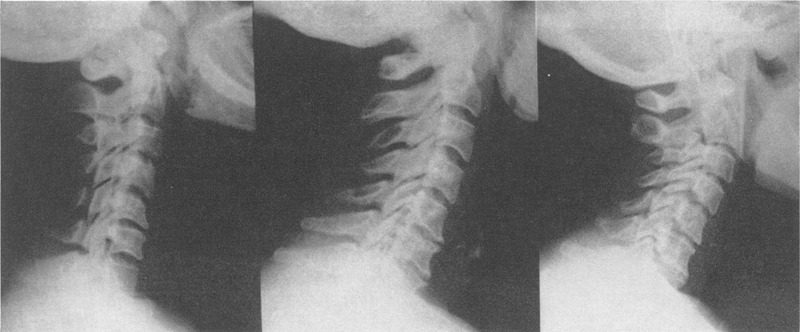
Cervical arthritis (cervical osteoarthritis), also known as cervical spondylosis, is a condition defined by degenerative changes to the bones, discs, and joints of the neck. The normal aging and degenerative process causes these changes. As we age, the discs of the cervical spine gradually lose fluid, break down, and become stiffer and less mobile. Cervical arthritis usually occurs in middle-aged and elderly people. Sometimes, bone spurs or abnormal growths called osteophytes may form on the bones in the cervical spine. This may lead to narrowing of the spinal column or in the openings where spinal nerves exit, a related condition called cervical spinal stenosis.
Cervical osteoarthritis most commonly causes symptoms of neck pain and stiffness. Although cervical arthritis is rarely progressive, physical therapy can be very helpful in slowing down degeneration, decreasing pain and improving function and mobility. In most people older than age 50, the discs between the vertebrae become less spongy and provide less cushioning and shock absorption. As a result, the bones and ligaments thicken, and compress the space in the spinal canal. Previous injury to the neck and overuse of these joints in certain occupations or specific sporting activities may contribute to early development of cervical osteoarthritis. Additionally, poor posture may also contribute to early spinal changes that result in cervical osteoarthritis.
The Most Common Symptoms of Cervical Spondylosis
- Neck stiffness and neck pain
- Headache that may originate in the neck
- Pain in the shoulder or upper arms
- Inability to fully turn the head or bend the neck
- Grinding or clicking noise or sensation when the neck is turned
Symptoms are the most severe after prolonged inactivity, such as in the mornings or at the end of the day. If cervical spondylosis results in pressure on the spinal cord it can lead to a condition called cervical myelopathy.
Symptoms of cervical spondylosis with myelopathy include:
- Tingling, numbness, and/or weakness in the arms, hands, legs, or feet
- Lack of coordination and difficulty walking
- Abnormal reflexes
- Muscle spasms
- Loss of control over bladder and bowel (incontinence)
Another potential complication of cervical (osteoarthritis) spondylosis is cervical radiculopathy, when bone spurs press on nerves as they exit the bones of the spinal column. Symptoms include pain shooting down into one or both arms.
(Source: WebMD)
What Are the Treatments for Cervical Arthritis?
Marcel Jacobs PT provides a hands-on physical therapy approach which means you’re going to get fast access to immediate care in order to soothe and relax those tight and aching muscles, mobilize and loosen those restricted and painful joints, and strengthen your body so that you can go back to doing the things that you love. Your therapist will perform a thorough physical examination and evaluation in order to provide you with a deeper understanding of your impairments, compensations, and dysfunctions. You may find yourself having your concerns eased, questions answered, and physical pain reduced inside of 45 minutes with your physical therapist.