
When you’re in constant pain, it may be difficult to function normally in every area of your life, including your emotions, sleep, and mobility. For physiotherapy patients and pain sufferers, understanding the psychology of pain offers a new lens through which to view treatment options and their potential for holistic healing.
Here is the relationship between the mind and pain and how physiotherapy techniques work on the body and the mindset to offer lasting relief.
The Psychology of Pain
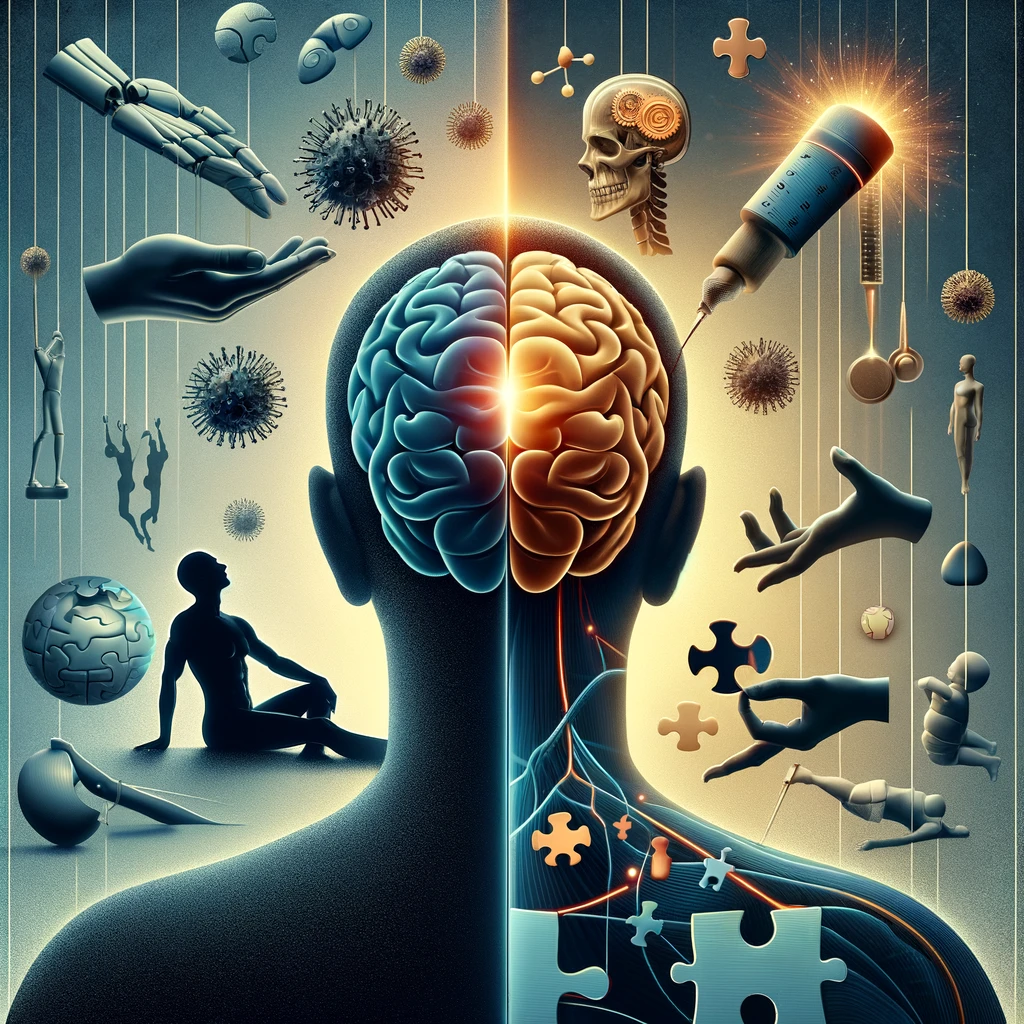
Pain is a complex phenomenon that extends beyond the mere sensation felt in a specific area. Numerous psychological elements, such as stress, worry, despair, and even past experiences, might impact one’s subjective impression of it. This section delves into the science of pain perception and its various psychological components.
The Gate Control Theory of Pain
The ‘gate control theory‘ introduced by Melzack and Wall in 1965 suggests that non-painful input ‘closes the gates’ to painful input, which can diminish pain perception. When you experience pain, such as a stubbed toe or a sore muscle, nerve signals rush to the spinal cord like messengers delivering urgent news. However, the Pain Gate Theory suggests that this gatekeeper isn’t just a passive receiver of pain signals; it can modulate or “gate” these signals based on other sensory inputs.
For example, gentle rubbing or applying heat to the affected area can send additional signals to the gatekeeper, which can then prioritize these soothing sensations over the pain messages, effectively closing the gate to pain perception. The Pain Gate Theory explains how distractions or counter-stimuli can help alleviate pain by influencing how our spinal cord processes and filters incoming pain signals.
How Emotions Can Amplify Pain
Our emotional state can significantly amplify or reduce pain. Negative emotions, such as fear or anger, can heighten the perception of pain. Conversely, positive emotions can act as natural painkillers, reducing the perception of pain. The complexity of this interaction emphasizes the need for psychological assessment and intervention as part of any pain management program.
The Development of Chronic Pain
Chronic pain often develops from acute pain. When acute pain is not adequately treated, psychological and neurological changes can occur, leading to a more persistent pain experience. This section will explain the importance of early and comprehensive treatment to prevent the transition to chronic pain.
Role of Physical Therapy in Addressing Pain
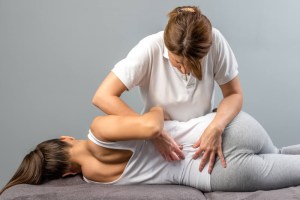
Physiotherapy is a key player in the multidisciplinary approach to pain management. Here is a wide range of physiotherapy techniques that address pain’s physical symptoms and psychological drivers.
Massage Therapy
Massage therapy is a fundamental technique in physiotherapy for pain relief and relaxation. Beyond its physical benefits, massage can also reduce stress and anxiety, providing a mental break from the persistent focus on pain. According to studies, massage has long been associated with lowered levels of the stress hormone cortisol and elevated levels of the feel-good chemicals serotonin and endorphin.
Exercise and Physical Activity
Regular exercise has several positive effects on health, such as reducing worry and stress and making it easier to manage pain. In physiotherapy, structured exercise programs tailored to the patient’s condition can build strength, flexibility, and endurance, all contributing to improved pain management. The effect of exercise on pain is not just physical; it can also enhance the sense of control and well-being, which are crucial for psychological pain management.
Electrical Stimulation
One way to prevent pain signals from reaching the brain is to use electrical stimulation techniques, such as transcutaneous electrical nerve stimulation (TENS). These techniques are effective for both acute and chronic pain management. They can offer a noninvasive, drug-free alternative for pain relief. The reduced pain sensation from electrical stimulation can also lead to lower levels of stress and a more relaxed state of mind.
Dry Needling and Acupuncture
Both dry needling and acupuncture are based on the idea that pain can be relieved by altering the flow of energy, or qi, in the body. According to conventional Western medicine, these methods are effective because they trigger the release of chemicals in the central nervous system, which in turn affect the muscles, spinal cord, and brain. These chemicals may reduce the experience of pain and activate the body’s regulatory systems, addressing anxiety and promoting mental relaxation.
Heat and Cryotherapy
Heat and cold therapies are some of the oldest and most widely used strategies for pain management. Heat can help soothe discomfort and relax tense muscles, while cold therapy can reduce inflammation-related pain. The application of these therapies not only addresses the physical symptoms of pain but can also be very calming and therapeutic, providing an overall feeling of comfort and well-being.
Joint Mobilization and Manipulation
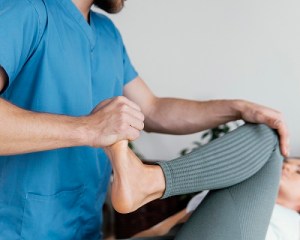
These techniques aim to restore joint mobility and reduce pain by increasing movement and reducing muscle tightness. By breaking the cycle of pain and movement avoidance, joint mobilization and manipulation can have profoundly positive psychological effects. They can help patients regain freedom of movement and control over their bodies, which can be empowering and uplifting.
Traction
Traction is a mechanical approach to decompressing the spine, alleviating pressure on spinal structures, and relieving pain. Reduced physical pain is just another way that traction may help you feel better mentally and emotionally.
Discover Holistic Healing with Marcel Jacobs PT in Midtown Manhattan
Embark on a comprehensive journey to pain relief and rehabilitation with Marcel Jacobs PT, your dedicated partner in health located in the vibrant heart of Midtown Manhattan. Understanding the intricate relationship between the physical and psychological aspects of pain, we offer an approach that transcends traditional physiotherapy. Our expert team is committed to crafting personalized treatment plans that address both the symptoms and the underlying emotional factors contributing to your pain.
Why Choose Marcel Jacobs PT for Your Path to Recovery?
- Holistic Approach: At Marcel Jacobs PT, we recognize that effective pain management involves more than just physical treatment. Our holistic strategy encompasses a range of therapies designed to heal the body and soothe the mind, ensuring a comprehensive path to recovery.
- Expert Guidance: Leveraging the latest in pain psychology and physiotherapy techniques, our skilled professionals provide expert care tailored to your unique situation. From massage therapy and exercise programs to advanced methods like electrical stimulation and dry needling, we employ a diverse array of treatments to target pain at its source.
- Empowering Education: We believe in empowering our clients with knowledge and tools for self-care. Our team offers guidance on ergonomic practices, lifestyle adjustments, and mindfulness techniques to enhance your overall well-being and prevent future pain.
- Supportive Environment: Located in the heart of Manhattan, Marcel Jacobs PT offers a welcoming and supportive atmosphere where your healing is our top priority. We’re not just treating your pain; we’re invested in your overall journey to wellness.
Don’t let pain define your life. Take the first step towards a brighter, pain-free future with Marcel Jacobs PT. Reach out to us, and together, we’ll chart a personalized course towards reclaiming your health and vitality. Let our compassionate care and expert knowledge guide you back to a life unburdened by pain, right here in Midtown Manhattan.