


Stress is more than just a mental state – it’s a physical response to a threat. Our bodies are hardwired to react to stress, preparing us to flee or fight. From high blood pressure to insomnia to muscle pain, the consequences of unchecked stress are numerous and severe.
Physical therapy, typically associated with injury recovery or chronic pain management, is a versatile ally in the fight against stress. Physical therapists are experts in movement and function, uniquely positioned to address the physical manifestations of stress. They are adept at tailoring exercises that focus on relaxation, and the benefits can be far-reaching, extending beyond the treatment room and into your everyday life.
What is Stress?
Before we learn how physical therapy can help manage stress, let’s take a moment to understand what stress really is. At its core, stress is a normal response to a perceived threat. It can be categorized into three main types:
- Acute stress: The most common type, usually short, is the body’s immediate response to a perceived threat or challenge.
- Episodic acute stress: Characterized by repeated episodes of acute stress, often affecting people who tend to be overly competitive, aggressive, angry, or impatient.
- Chronic stress: The most damaging type is the response to long-term personal and emotional stressors, such as poverty, a dysfunctional family, or chronic illness.
Understanding the type of stress you’re experiencing can help identify the appropriate stress relief technique, such as deep breathing for acute stress or a consistent yoga practice for chronic stress management.
Physical Therapy for Stress Relief
When integrated into a stress management regimen, physical therapy can complement traditional medical treatments or even stand alone as a potent stress-reduction strategy. Here’s how it can help:
Role of Physical Therapy in Managing Stress
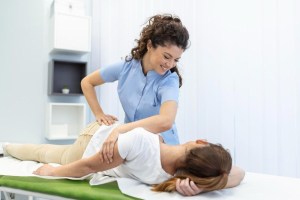
Physical therapists are well-versed in understanding the interplay between the body and the mind. They can prescribe exercises and activities that reduce muscle tension, increase circulation, and induce a state of relaxation. Incorporating these into your routine can improve your body’s response to stress over time.
Benefits of Physical Therapy for Stress Relief
Engaging in physical therapy techniques not only offers immediate relief but also has long-term benefits, including:
- Improved posture, which can boost self-confidence and reduce feelings of stress and anxiety
- Strengthened muscles provide better support to the skeletal system and decrease the likelihood of stress-related injuries.
- Enhanced blood circulation, which can help in flushing out the by-products of the stress response
- Active engagement of the parasympathetic nervous system, the body’s ‘rest-and-digest’ counterpart to the stress-inducing sympathetic nervous system
Techniques for Stress Relief
The beauty of physical therapy for stress relief lies in its simplicity and accessibility. You don’t need expensive equipment or a gym membership; you just need a willingness to commit to a few exercises. Let’s explore some of the most effective techniques endorsed by physical therapists:
Deep Breathing Exercises
One of the simplest techniques, deep breathing, can be done anywhere. You engage your body’s natural relaxation response by breathing deeply from your diaphragm. Here’s a basic pattern to follow:
- Find a quiet, comfortable place to sit or lie down.
- Place one hand on your chest and the other on your abdomen.
- Inhale slowly through your nose, letting your abdomen rise and your chest remains still.
- Exhale slowly through pursed lips, letting your abdomen fall as you blow out all the air.
- Repeat several times, feeling the tension leave your body with each breath.
Progressive Muscle Relaxation
This method involves tensing and relaxing each muscle group, starting with the toes and moving upward toward the head. By isolating muscle groups, you can become more aware of the physical sensation of tension and learn to release it.
Yoga and Stretching
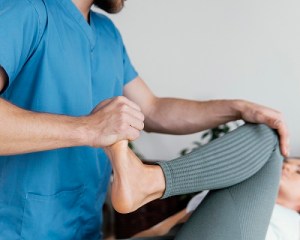
Yoga and stretching not only improve flexibility and strength but also calm the mind. Yoga postures release muscular tension and encourage mindful breathing, both key components of stress reduction.
Massage Therapy
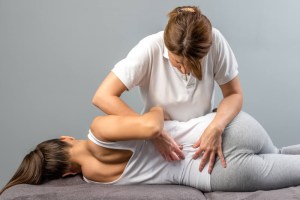
Whether self-massage or professional, the act of applying pressure to tense muscles can loosen them and release endorphins, the body’s natural painkillers. Massage is a direct route to physical relaxation, which can help alleviate mental stress.
Incorporating Physical Therapy into Daily Life
The challenge lies not in the efficacy of these physical therapy techniques but in consistently incorporating them into your daily routine. Here are some tips to help you make these exercises a part of your life:
Set Realistic Goals
Start with small, achievable goals. Commit to five minutes of deep breathing in the morning or two sessions of yoga a week. Gradually increase the duration and frequency as you begin to experience the benefits.
Stay Consistent
Consistency is key to any stress management technique. Decide on a time of day to practice your exercises and stick to it. Make it a non-negotiable part of your schedule, whether a morning stretch or an evening relaxation session.
Make It Enjoyable
Choose physical therapy techniques that you enjoy. You won’t be motivated to practice yoga regularly if you dislike it. Find activities you look forward to that leave you feeling refreshed and rejuvenated.
Create a Supportive Environment
Share your goals with friends or family members. Engaging in physical therapy exercises with a group can be both motivating and supportive. It also helps to create an environment at home or in your workplace conducive to relaxation.
Keep Track of Your Progress
Document how you feel before and after each session. Keeping a journal can not only track your progress but also remind you why you started these exercises in the first place.
Find Your Calm with Marcel Jacobs PT: Stress Relief Made Simple
At Marcel Jacobs PT, located right in the heart of Midtown Manhattan, we believe in the power of physical therapy to not just heal the body but also to calm the mind. Whether you’re dealing with the aftermath of an injury or just overwhelmed by the stresses of daily life, our team is here to help you find balance and peace.
Why Marcel Jacobs PT?
- Personalized Care: We listen to your story and tailor our therapy to fit your unique needs, ensuring you get the most out of every session.
- Expert Team: Our therapists are not just skilled in physical therapy; they understand how stress affects the body and have effective, simple strategies to help.
- Convenient and Comfortable: Our clinic is designed to be a safe and welcoming space where you can truly relax and focus on your healing.
Ready to tackle stress head-on and find a more peaceful state of mind? Reach out to Marcel Jacobs PT. We’re more than just physical therapy; we’re your partners in creating a healthier, happier you. Visit our website or give us a call at (917) 455-5519 to start your journey to stress relief today. Let’s make feeling good a part of your everyday life.




1 thought on “Effective Physical Therapy Strategies for Managing and Alleviating Stress”
Pingback: Pain Psychology: Physical Therapy and Pain Management