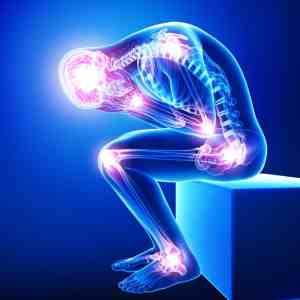
Myofascial pain syndrome is a chronic pain disorder characterized by sensitive points in your muscles, also known as trigger points. Trigger points can cause pain in the muscle and may affect unrelated parts of your body, also known as pain referral. Typically, repetitive muscle contraction can lead to this syndrome. Potential causes of this syndrome include stress related tension, and repetitive motions used in various jobs or hobbies. Discomfort associated with myofascial pain syndrome tends to persist and worsen over time. Sensitive and tight muscle fibers can form in your muscle or myofascial tissue after injuries or overuse and can cause strain and pain throughout the muscle. When this pain persists and worsens, doctors call it myofascial pain syndrome.
The Most Common Signs & Symptoms of Myofascial Pain Syndrome
- Deep, aching muscle pain
- Pain that persists or worsens
- A tender knot in a muscle
- Difficulty sleeping due to pain
- The presence of trigger points
Risk Factors For Developing Myofascial Pain Syndrome
- Muscle injury: Acute muscle injury or repetitive muscle stress may lead to the development of trigger points. Sports involving repetitive motion or poor posture may increase your risk of developing trigger points, and potentially lead to myofascial pain syndrome.
- Stress and anxiety: Frequent stress and anxiety increase the likelihood of developing trigger points. When the nervous system is in a constant heightened state, the muscles are in a form of repeated strain and can lead to myofascial pain syndrome.
(Source: Mayo Clinic)
What Are the Treatments for Myofascial Pain Syndrome?
Marcel Jacobs PT provides a hands-on physical therapy approach which means you’re going to get fast access to immediate care in order to soothe and relax those tight and aching muscles, mobilize and loosen those restricted and painful joints, and strengthen your body so that you can go back to doing the things that you love. Your therapist will perform a thorough physical examination and evaluation in order to provide you with a deeper understanding of your impairments, compensations, and dysfunctions. You may find yourself having your concerns eased, questions answered, and physical pain reduced inside of 45 minutes with your physical therapist.