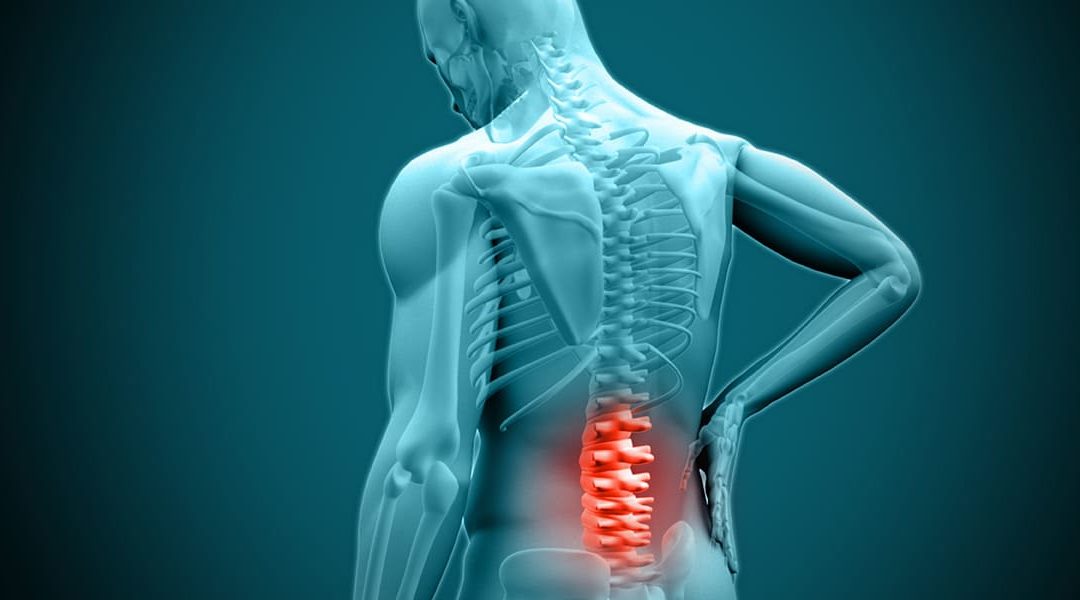
Low back pain is one of the most common symptoms experienced at least once in a lifetime in approximately 80% of the population. The most common cause of low back pain is intervertebral degeneration which leads to lumbar disc herniation and degenerative disc disease. This condition occurs so commonly that it has an estimated healthcare cost of more than $100 billion annually in the United States. Approximately 95% of disc herniations in the lumbar spine occur at L4-L5 or L5-S1.
The lumbar spine contains five vertebrae and intervertebral discs from L1 to L5. The intervertebral discs consist of an inner nucleus pulposus, outer annulus fibrosus, and the cartilaginous endplates that anchor the disc to its vertebras. The inner nucleus pulposus is a gel-like structure that is composed of approximately 80% water. The annulus fibrosus is a ring-shaped structure that surrounds the nucleus pulposus. Lumbar disc herniation most commonly occurs increasingly with age for both men and women especially during the third to fifth decades of life. The severity of this condition can range from mild to severe, and potentially even life-threatening.
What Can Cause a Lumbar Disc Herniation?
Lumbar disc herniation occurs as a result of the displacement of the nucleus pulposus of the intervertebral disc. This can cause impingement on these lumbar nerves or directly compress the spinal cord contained within the spinal canal. Lumbar disc herniation is most often the result of natural, age-related wear and tear on the spine. Lumbar discs in children and young adults contain high water content. As people age, the water content in the discs decreases causing less flexibility in the discs. This can lead to shrinkage of the spaces between the vertebrae, increasing the risk for disc herniation. Furthermore, repetitive mechanical stresses applied on the disc, can also result in a gradual onset of symptoms that tend to be chronic. Traumatic events, such as a fall or motor vehicle accidents, can also cause a disc herniation. Risk factors include:
- Improper lifting involving the usage of back muscles instead of your legs to lift heavy objects
- Being overweight adds stress on the discs in your lower back.
- Repetitive activities that strain your spine. Constant lifting, pulling, bending, or twisting can create microtraumas to your discs that can lead to disc herniation.
- Sedentary lifestyle including frequent driving and staying seated for prolonged periods.
- Smoking. Smoking can lessen the oxygen supply to the discs and lead to more rapid degeneration.
Symptoms of pain and back stiffness occur as a result of compression of the nerve by the herniated disc and a local increase in inflammation. Herniations are more likely to occur posterolaterally, or on one side. This type of herniation compresses the lumbar nerve root as it exits and can result in lumbar radiculopathy. Lumbar disc herniations most commonly occur between L4-L5 and L5-S1.
The Most Common Signs & Symptoms of Lumbar Disc Herniation
- Low back, buttock, thigh, leg, or ankle/foot pain
- Sciatica: Sharp, shooting pain that extends from the buttock down the back of one leg
- Numbness or a tingling sensation in the leg and/or foot
- Decreased strength and weakness in one or both lower limbs
- Diminished reflexes
- Loss of bladder or bowel control (cauda equina syndrome)
(Source: National Library of Medicine)
What Are the Treatments for Lumbar Disc Herniation?
Treatment plans may vary depending on the severity of the lumbar disc herniation. Your health care provider may request an X-ray and/or MRI to rule out other possible injuries while determining the severity of the herniation. Your back will certainly require safe and effective strengthening and mobilization to optimize function, while weighing surgical options as necessary. Most cases of acute disc herniation will resolve within the first four to six weeks, with improved outcomes with physical therapy intervention. Marcel Jacobs PT provides a hands-on physical therapy approach which means you’re going to get fast access to immediate care in order to soothe and relax those tight and aching muscles, mobilize and loosen those restricted and painful joints, and strengthen your body so that you can go back to doing the things that you love. Your therapist will perform a thorough physical examination and evaluation in order to provide you with a deeper understanding of your impairments, compensations, and dysfunctions. You may find yourself having your concerns eased, questions answered, and physical pain reduced inside of 45 minutes with your physical therapist.