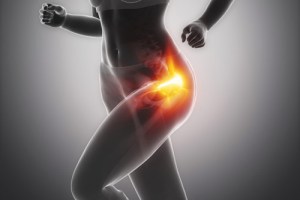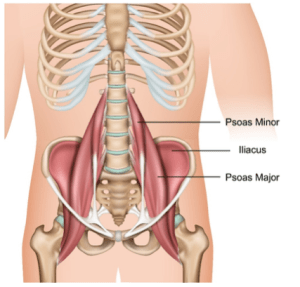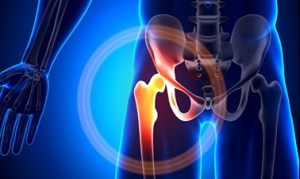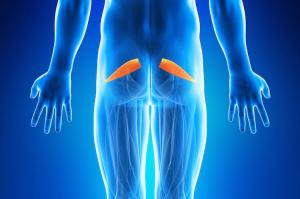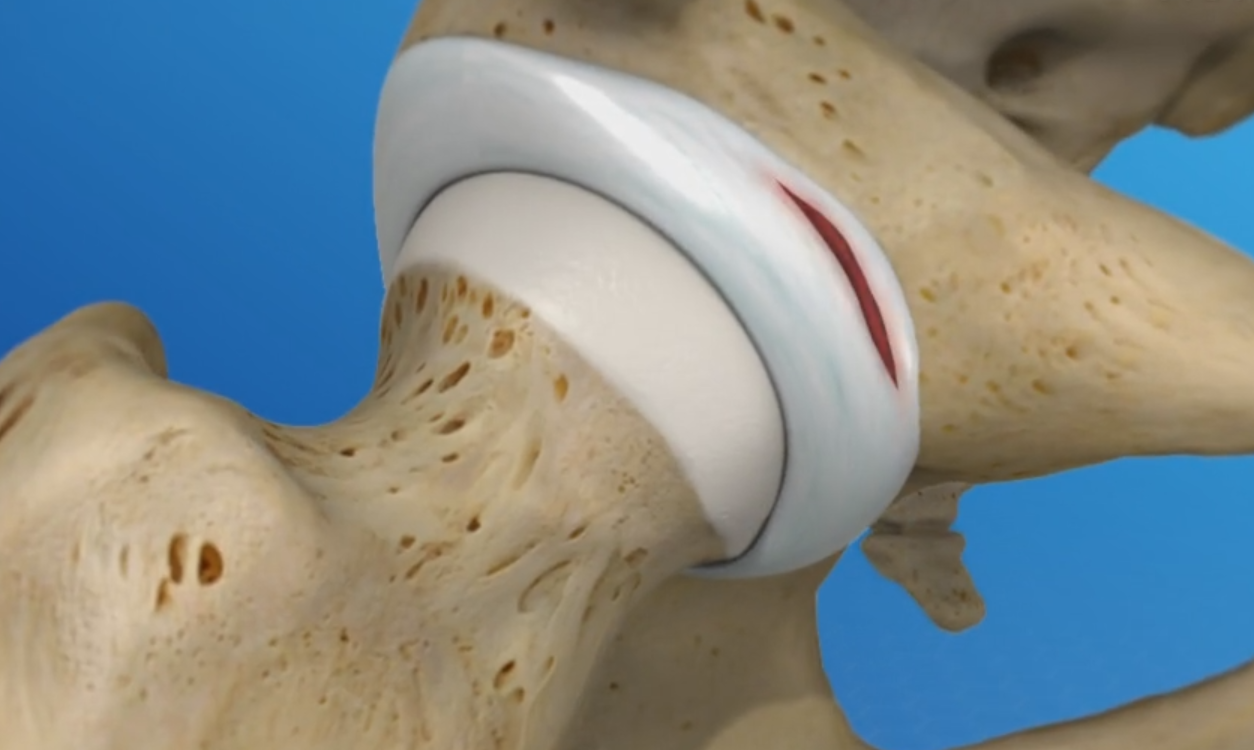
Labral tears in the hip are characterized by tearing of specialized stabilizing cartilage tissue in the hip causing pain and hip instability. Hip labral tears can occur in almost everyone, but are most often prevalent in athletes who participate in high-impact sports. The labrum is a thick ring of cartilage in the socket part of the hip joint. The hip joint is a ball-and-socket joint, composed of the socket (acetabulum) in the pelvis bone, and the ball, which is the top of your thigh bone (femoral head). The labrum promotes hip stability as you move through the hip joint and ensures frictionless motion. Labral tears may vary, ranging from mini tears due to gradual wear on the labrum, to more significant larger tears usually due to trauma.
The Different Types of Hip Labral Tears
- Anterior Hip Labral Tears: This is the most common type of hip labral tear where tears occur on the front of the hip joint.
- Posterior Hip Labral Tears: These tears occur on the back of the hip joint.
The Most Common Signs & Symptoms of Hip Labral Tears
- Hip, groin or buttocks pain, especially with walking or running
- Hip stiffness or decreased hip mobility
- A clicking or locking sensation in the hip joint when moving
- Sometimes, hip labral tears can be completely asymptomatic and undiagnosed for years
The Most Common Causes of Hip Labral Tears
- Repetitive hip motions and hip overuse, especially in certain occupations and sports
- Traumatic hip injuries
- Wear and tear of the hip with aging and degeneration
- Hip dysplasia
- Hip impingement (femoroacetabular impingement)
- Hip osteoarthritis. Degenerative changes in the hip such as osteoarthritis can contribute to a labral tear, and inversely a labral tear can increase likelihood of developing hip arthritis years later.
What Are the Treatments for Hip Labral Tears?
Treatments vary, depending on the severity of the tear. Surgery is usually the last resort, and only necessary if the tear remains untreated and gets worse or does not improve. If walking, sitting and running are severely limited, surgical treatment may be necessary to reattach the torn ligaments and labrum to the bone. Your health care provider may request imaging to rule out other possible injuries and conditions while determining the severity of the tear. Your hip will certainly require safe and effective strengthening and mobilization to optimize function, while weighing surgical options as necessary.
Marcel Jacobs PT provides a hands-on physical therapy approach which means you’re going to get fast access to immediate care in order to soothe and relax those tight and aching muscles, mobilize and loosen those restricted and painful joints, and strengthen your body so that you can go back to doing the things that you love. Your therapist will perform a thorough physical examination and evaluation in order to provide you with a deeper understanding of your impairments, compensations, and dysfunctions. You may find yourself having your concerns eased, questions answered, and physical pain reduced inside of 45 minutes with your physical therapist.