


Back pain is very common, affecting people from all age groups. However, it is way more common in elderly individuals. Reports show that this motive is one of the top reasons to seek medical care in hospitals (I can vouch for that).
According to the National Health Service (NHS), back pain accounts for 11% of disabilities in the United Kingdom. Middle-aged people are the most prone to this condition.
Because the back has such complex anatomy, identifying the underlying cause behind your back pain may not always be straightforward. We classify back pain as acute when it’s been going on for less than 3 months and chronic for anything above that timeline.
The Causes of Low Back Pain
Lumbar strain
An injury to the back can cause back pain. These are the structures that get usually affected by a lumbar strain:
- Tendons
- Ligaments
- Muscles
Lumbar radiculopathy
Lumbar radiculopathy (i.e., sciatica) occurs when your disks become weak. As a result, the soft portion just bulges out, causing pressure on one or more nerves.
We can treat sciatica medically or surgically. The decision requires analyzing your clinical signs and the findings on your scan.
Arthritis
Arthritis is another common cause of back pain. When this condition affects the spine, we refer to it as spondyloarthropathy. This condition is a form of a wear and tear process.
Without appropriate treatment, this condition may lead to the fusion of the vertebrae together, severely restricting your range of motion. In some cases, the joints and ligaments of the spine can weaken causing one bone to slip over another (spondylolisthesis).
When to See a Physical Therapist About Back Pain?
Seeing a physical therapist for your back pain may be necessary in several cases. For instance, if your pain is not improving despite rest and taking over-the-counter painkillers, it may be time to get a checkup.
Additionally, pain that keeps getting worse, preventing you from performing daily activities is a red flag that requires professional attention.
With that being said, there is more to back pain than just pain.
How physical therapists can help with lower back pain
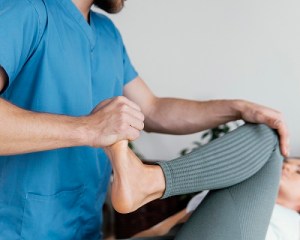
Physical therapists specialize in treating musculoskeletal disorders by targeting the muscles and joints of your back. These healthcare providers also use advanced techniques, such as ultrasound, laser therapy, and electrical muscle stimulation.
There is plenty of evidence that physical therapy helps patients with chronic back and neck pain. If you are interested in learning more about physical therapy, click here.
Here are some specific physical therapy techniques to manage back pain:
Manual techniques – Physical therapists may introduce a few manual techniques, such as myofascial release, massage therapy, and trigger point therapy. Each technique releases the tension of the musculoskeletal elements and improves symptoms of back pain.
Rehabilitation – Physical therapists may suggest rehabilitation to restore the strength of your back muscles. The purpose of these exercises is to relieve your symptoms and prevent future injuries.
Lifestyle and Nutritional Counseling – Providing lifestyle tips that are tailored to your case is a core focus of a physical therapist’s job. These modifications may involve your diet, exercise routine, sleeping habits, and stress-relieving activities.
The following sections will cover some general tips that your physical therapist may recommend to treat back pain.
General physical therapy tips to manage back pain
Practice mindfulness
Yoga and meditation stimulate the release of endorphins. These chemicals are able to relieve pain by acting directly on the central nervous system.
Core exercise
Current guidelines suggest that people with back pain should not stay immobilized for a long time. Instead, try to exercise to help your body heal faster.
We recommend that you start light by performing a few workout routines that target the core muscles. Focusing on core exercises can reduce the pressure applied to the back.
Examples include planks, crunches, bridges, and the bird dog position. Interestingly, many of these exercises are part of a Pilates routine. However, a physiotherapist can create a tailored workout for your needs.
Get better sleep
Sleeping enough hours improves your hormonal balance and relieves pain. Moreover, when you sleep, the body promotes metabolic pathways that repair tissue damage.
Sleep is just an amazing way to heal faster.
Listen to your body
At this point, I’m sure you’ve come across the famous phrase “No Pain, No Gain.”
What this phrase does not tell you, however, is that pain can be good or bad. Telling them apart is crucial to avoid injuring yourself.
For instance, feeling the soreness that comes from intense exercise is completely normal. Sudden or severe pain, on the other side, is a clear sign that you need to stop what you are doing immediately.
Warm up before exercise
Warm up before exercise to prevent and manage existing back pain.
Low-impact movements are ideal for raising your heart rate and moving the synovial fluid inside your joints.
Don’t forget to Cool down
Cooling down is equally important to warming up.
The purpose of this phase is to lower your heart rate and cardiac output. Focus on light jogging, walking, knee-to-chest post, and child’s pose.
Warning signs of back pain
If you experience any of the following symptoms (with your back pain), it is time to seek medical care as soon as possible.
Numbness and weakness
Numbness or weakness in your arms or legs may indicate that your nerves have been damaged. Seek urgent medical care to treat these symptoms.
Loss of sphincter control
If urinary or bowel incontinence coincides with back pain, it can also mean that the nerves controlling your sphincters got injured. Seek medical care ASAP.
Fever
Back pain with fever is a scary combination. It could mean that you’ve developed a spinal infection. This infection erodes your discs and sometimes your bones. This, however, is a very rare condition.
Discover Back Pain Relief with Marcel Jacobs PT
Back pain doesn’t have to be a life sentence. At Marcel Jacobs PT, we understand the complexities of back-related ailments and offer specialized physical therapy solutions designed to address the root cause of your discomfort. Located conveniently in your community, we are dedicated to transforming the way back pain is managed, combining expertise with compassionate care.
Why Turn to Marcel Jacobs PT for Your Back Pain:
- Expertise in Back Health: Our clinic is staffed with skilled physical therapists who have a deep understanding of back pain’s multifaceted nature. We use evidence-based techniques to provide relief and promote healing.
- Personalized Treatment Plans: Recognizing that each case of back pain is unique, we tailor our therapy programs to your specific needs, ensuring that you receive the most effective treatment possible.
- Holistic Approach: Beyond physical treatment, we also offer guidance on lifestyle and nutritional counseling to support your overall well-being and prevent future episodes of back pain.
- Innovative Techniques: From manual therapy to rehabilitation exercises, we employ a variety of cutting-edge techniques to alleviate pain and restore mobility.
Don’t let back pain hold you back from living your life to the fullest. Reach out to Marcel Jacobs PT, where our commitment to your health and well-being is our top priority. Let us help you find the path to a pain-free life, empowering you with the knowledge and tools to maintain a healthy back. Contact us today and take the first step towards lasting back pain relief.






1 thought on “Comprehensive Guide to Lower Back Pain: Causes, Treatment, and Physical Therapy Approaches”
Pingback: 5 Effective Physical Therapy Exercises To Do at Your Desk