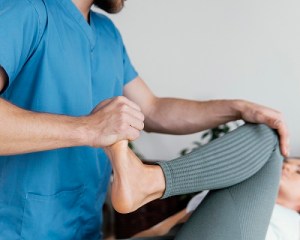
Health care has been an important part of physical therapy. It provides a means for rehabilitation and pain treatment. However, as medicine and technology progress, every domain of human activity is open to change and innovation.
Where physical therapy heads in the future will be individual-centric, personalized service instead of the one-size-fits-all model. From wearable sensors to AI, the medical technology that once seemed alien to the world is giving therapists what they need to create uniquely individualized treatment plans.
Shaping the Future with Innovations
Several key innovations are shaping the constantly evolving landscape of physical therapy. Physical therapy is an ever-evolving field that changes from state-of-the-art techniques to new trends.
Biomechanics and Movement Science
Greater interest in the biomechanics of movement and injury has helped to develop more highly targeted treatments. New research is illuminating how the body compensates for injury. We are using that information to develop our interventions. So, it does not just lead back to what was causing them distress but sets them up for success moving forward by correcting imbalances and weaknesses.
Precision Rehabilitation
Advances in data analytics and machine learning are enabling physical therapists to perform precision rehabilitation. Such clinicians may possibly find patterns in large quantities of data. This provides the best prediction for the kind of treatment necessary for conditions or a class of patients, revolutionizing the way PT is prescribed and practiced.
Patient-Centric Technologies
Every day, a growing suite of technologies tailored for the patient experience continues to grow. Among the latest advancements bringing interactivity and accessibility to physical therapy are mobile device applications that gamify exercises and wearable devices that provide real-time feedback. They also play a vital role in promoting patient adherence, a key factor in successful rehabilitation.
Integrative and Telehealth Services
One reason is that physical therapists collaborate with other health providers to offer telehealth services. This is an integrated way of ensuring patient care, and telehealth has been an innovator. Home-based telerehabilitation offers increased access to PT for patients in rural and remote areas and for patients with mobility difficulties.
Professional Development and Education
The future of PT, too, is in its education and training for the profession. As the field evolves, so must the therapists. This ensures the practitioner keeps abreast with current research and practice.
New technologies and evidence-based practices are being introduced and added to the curriculum of PT programs at an academic level so that the next generation of therapists will be innovators through them.
Role of Artificial Intelligence and Robotics in Physical Therapy
The most exciting frontier for PT practices includes incorporating artificial intelligence (AI) and robotics in the field. Of course, the technologies mentioned above are not aimed at replacing a physical therapist but vice versa. They help widen the PT’s ability and improve patient care outcomes using new, highly effective instruments.
AI-Assisted Diagnostics and Prognostics
Today, AI is proving helpful as an accurate part of diagnosis and prognosis in the context of injuries and movement disorders. AI is now able to give much better and quicker diagnoses and prognoses than human beings can.
Even from medical images such as MRIs and CT scans, they can also predict the recovery time and long-term outcome. Thus, they provide an objective view to the patient on what to expect and how the progress is compared with the benchmarks.
Robotics as an Extension of the Therapist
The devices are robotic mechanisms that help a patient make progress with his rehabilitation. Some of them are exoskeletons that help a person learn to walk again after a grave injury or stroke. The other advantage would be the fact that the machines allow a therapist to treat a patient at an intensity and repetition level that would make such an activity unfeasible in their absence.
Virtual Reality for Pain Management and Recovery
Virtual reality (VR) has been used increasingly in pain management and movement re-education. It greatly helps control pain because it involves patients in real interactive environments.
It even allows them to prompt their movements. It has also proven to be very helpful in neuro-rehabilitation programs designed to recover motor functions in sufferers of neurological damage.
Wearable Technology and Biofeedback
Now, biofeedback through the use of wearable devices is part of physical therapy. Wearable devices could monitor a wide range of parameters regarding physiology and schematics, among others. They work through live feedback that directs the patient and the therapist simultaneously to understand and make changes on-site to approaches.
Integrative Therapies: The Mind-Body Approach
The future of physical therapy is not in the body but in the mind. Integrative therapies and approaches are merging with traditional approaches to recover from the illness, acknowledging mental wellness.
Mindfulness and Meditation in Rehabilitation
These mindful and meditation practices can assist patients in pain management and also help decrease stress that contributes to pain. Their contribution to recovery is being increasingly noticed, which likely increases the probability of them being a standard in rehabilitation programs.
Yoga and Pilates
Yoga and Pilates are already well-recognized for their contribution to increasing strength. They gradually infiltrate physical therapy settings. The techniques provide a gentle method for patients to regain their physical abilities. They are often accompanied by improved concentration and mental acuity.
Environmental Design and Its Impact on Therapy
The following things are very valuable but also somewhat obscured as a result of restoration. The design and construction of future medical facilities will create an atmosphere that is conducive to healing and effective treatment.
Biophilic Design and Healing Spaces
Future physical therapy clinics will use biophilic design elements such as open space, natural light, and living walls to promote patients’ health and recovery while enhancing the design’s relaxing effects.
Sensory Integration Rooms for Optimal Rehabilitation
Sensory integration rooms are areas provided within a controlled environment for stimulating and developing patient senses. They are designed with different types of equipment and tools to provide individualized and enhanced therapy experiences, especially for children and adults with sensory processing disorders.
Innovations in Pain Management: A Multi-Pronged Approach
Pain that refuses to stay away is a big obstacle to recovery. Innovations in pain management are trying to treat anything from high-tech solutions to home remedies adapted for today.
Affective Touch and Therapeutic Massage
One such form of sensory perception related to social-emotional processing, affective touch, now finds recognition in its ability to reduce painful experiences. From this, therapeutic massage was developed, with the effects being solicited from the power of a gentle, caring touch in offering comfort and relief from discomfort.
Advances in Modalities like Shock Wave Therapy and Ultrasound
Two of the major types of physiotherapies include shock wave therapy and ultrasound, which are mobile. These are aimed at pain relief and improvement of healing. For example, one subset of ultrasound delivers focused, high-energy acoustic waves to the site of injury. It gets penetrated deep into tissues. The treatment promotes tissue repair and stimulation of the body’s pain-killing mechanisms.
Cultural and Demographic Shifts Impacting Physical Therapy
Similarly, cultural shifts and the demographic landscape also impact physical therapy’s future. A rising emphasis on health is altering physical therapy services in response to a large and rapidly aging population and the incidence of chronic diseases.
Preventive Care
The cultural shift towards preventative care is demanding an increased focus on health and well-being. Athletes and desk jockeys alike are learning that physical therapy is increasingly important for maintaining and improving their current level of health. This shift will expand the market for PT services and encourage more people to seek out these benefits.
Revolutionize Your Recovery with Marcel Jacobs PT: Embracing the Future of Physical Therapy
Experience the future of physical therapy today at Marcel Jacobs PT, where innovation meets personalized care. Our clinic is at the forefront of integrating cutting-edge technologies and holistic approaches to provide you with the most advanced and effective rehabilitation services. Situated in a welcoming environment, we’re committed to helping you achieve optimal health and wellness.
Why Marcel Jacobs PT Stands Out in the Future of Physical Therapy:
Innovative Treatments: Stay ahead with Marcel Jacobs PT, where we incorporate the latest advancements in biomechanics, precision rehabilitation, and patient-centric technologies to offer you state-of-the-art treatment.
Expert Care with a Personal Touch: Our team of skilled professionals is dedicated to providing you with personalized attention, utilizing AI-assisted diagnostics, robotics, and virtual reality to enhance your recovery journey.
Holistic Wellness Approach: We believe in treating the whole person, not just the symptoms. From integrative therapies like yoga and Pilates to mindfulness and meditation, we ensure your mind and body are in harmony for a faster and more comprehensive recovery.
Don’t settle for traditional physical therapy; step into the future with Marcel Jacobs PT. Reach out to us today and begin your journey to recovery with the latest innovations and a personalized approach that puts your well-being first.