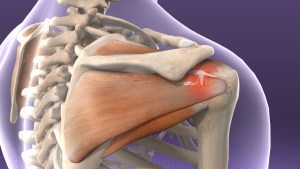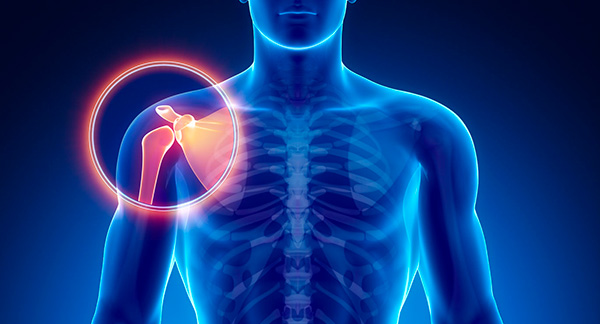
Shoulder arthritis is characterized by pain, stiffness, and inflammation of the shoulder, causing limited shoulder mobility and functional use. Although there is no cure to shoulder arthritis, there are many nonsurgical treatments available for managing pain and maximizing functional use. The shoulder joint is made up of three bones, the scapula (shoulder blade), the upper arm bone (humerus), and the clavicle (collar bone). These three bones make up two joints in the shoulder joint complex. One joint is located where the clavicle meets the tip of the shoulder blade called the acromioclavicular (AC) joint. The second is where the head of the humerus fits into the scapula and is called the glenohumeral joint.
The Different Types of Shoulder Arthritis
- Osteoarthritis: This form of arthritis happens as a result of the normal aging and degenerative wear and tear changes in joints. As we age, the articular cartilage wears away, and the protective space between the bones decreases. Osteoarthritis usually affects people over the age of 50 and is more common in the acromioclavicular joint than in the glenohumeral shoulder joint.
- Rheumatoid Arthritis: Rheumatoid arthritis (RA) is a chronic autoimmune disease that attacks multiple joints throughout the body simultaneously. Rheumatoid arthritis causes the lining of the ends of the bones to swell, which causes pain and stiffness in the joint.
- Posttraumatic Arthritis: Posttraumatic arthritis is a form of osteoarthritis that develops after an injury or surgery, such as a fracture or dislocation of the shoulder joint.
- Rotator Cuff Tear Arthropathy: Arthritis can also develop after a large, long-standing rotator cuff tendon tear. As a result of the tear, the torn rotator cuff muscle no longer has the ability to stabilize the glenohumeral joint. This can damage the surfaces of the bones, causing arthritis to develop. Simultaneous shoulder arthritis and a large rotator cuff tear can lead to severe pain and weakness, decreasing functional use of the shoulder joint.
- Avascular Necrosis: Avascular necrosis (AVN) of the shoulder is a painful condition that occurs when the blood supply to the head of the humerus is disrupted. AVN can lead to the complete deterioration of the shoulder joint because the bone cells will die without a blood supply.
The Most Common Signs & Symptoms of Shoulder Arthritis
- Worsening shoulder pain with any activity
- Shoulder pain on the side, back, top, or front of the shoulder
- The pain can sometimes radiate or travel to the side of the neck
- Night pain and difficulty sleeping
- Limited shoulder range of motion
- Difficulty lifting your arm to comb your hair or reach overhead
- Crepitus: grinding, clicking, or snapping sound with any shoulder movement
(Source: OrthoInfo)
What Are the Treatments for Shoulder Arthritis?
Marcel Jacobs PT provides a hands-on physical therapy approach which means you’re going to get fast access to immediate care in order to soothe and relax those tight and aching muscles, mobilize and loosen those restricted and painful joints, and strengthen your body so that you can go back to doing the things that you love. Your therapist will perform a thorough physical examination and evaluation in order to provide you with a deeper understanding of your impairments, compensations, and dysfunctions. You may find yourself having your concerns eased, questions answered, and physical pain reduced inside of 45 minutes with your physical therapist.