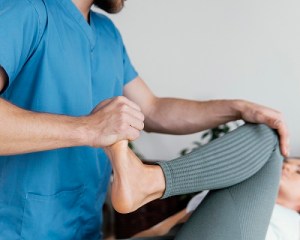

Exercise is always excellent for your health but must be done safely. There may be some injuries involved, but no worries! Here are a couple of simple tips from a top NYC therapist, and you can keep the chance at a minimum and be injury-free.
Common Workout Injuries and their Prevention
Here, we’ll discuss some of the most common workout injuries and how to prevent them.
1. Strains and Sprains
A common injury related to workouts is strain and sprain. This injury usually involves stretching muscles or tearing ligaments caused by overexertion or lack of proper technique. It usually involves the muscle for the strain and the ligament for the sprain. Signs may include pain, swelling, and limitation of mobility.
Start with a light cardio session to get the blood pumping and some dynamic stretches of the muscles and joints to prepare better for the exercise. Also, make sure you maintain the proper exercise form and do not go the extra mile, especially when lifting weights.
2. Tendonitis
Another common injury experienced during workouts is characterized by the inflammation or irritation of thick cords of the tendons that attach muscles to the bones. This usually results from overuse or repeating a movement of a particular muscle or joint. Symptoms may include pain, stiffness, and swelling around the affected area.
Avoid the same activity over and over again, which places undue stress on one set of tendons in the body. If possible, do cross-training with your activity to avoid repetitive activity on the same muscles and tendons. Besides, doing appropriate stretching before and after an exercise is important to maintain flexibility and reduce the chances of getting injured.
3. Shin Splints
One of the most common running and athletics injuries is shin splints, which involve pain along the inner edge of the shin bone (tibia). The major cause of shin splints is overuse, such as training too much or jumping back into training after some time off too quickly.
Symptoms may include sharp or dull pain along the inner part of the shin during or after exercise. Always wear adequate and well-supporting cushioned footwear for the feet.
Always increase the intensity and duration of your workout so that your body adapts to the stress of running or other high-impact activities. Incorporate cross-training and low-impact exercises into your routine to reduce the strain on your shins.
4. Lower Back Pain
The other common complaint causing low back pain is from athletes, such as weightlifters, who may raise improperly or exercise too rigorously. Poor posture, weak core muscles, and tight hip flexors cause this problem. The common result is stiffness, aching, and sometimes sharp agonies in the lower back area.
To prevent low back pain, focus on strengthening your core. Do more exercises for your core muscles since they support your spine and pelvis muscles. Include strengthening exercises for the core, such as planks, bridges, and bird dogs.
Also, when lifting, ensure the use of appropriate techniques, such as lifting the knees and keeping the back straight to avoid unnecessary force being directed to the muscles of the lower back. Lastly, maintain good body posture all day long, avoiding sitting or standing for a long time without taking breaks to stretch and move around.
General Tips and Tricks from a Top NYC Therapist
Here are some general day-to-day tips you should keep in mind if you want to prevent injuries.
Proper Warm-Up
Warming up is essential before starting the actual workouts. In fact, warming up with a dynamic routine can prepare your muscles and joints for vigorous activity. It would generally include jogging in one spot, arm circles, and leg swings to promote good circulation and limber muscles.
Skipping this important step increases the risk of strains, sprains, and other injuries, so do not do it! Warming up literally takes only a few minutes, yet it can make the difference between getting injured during a workout and not getting injured.
Correct Technique
Proper form is the key to exercising without injuries. Whether you’re lifting weights, doing yoga, or running, proper form ensures your muscles and joints are not undergoing undue stress. If you ever doubt the correct form for any particular exercise, consult with a certified trainer or physical therapist. They will give second-to-none feedback on the safe and effective execution of the exercise.
Gradual Progression
The most common cause of workout injuries is overdoing the exercises. It is important to progress slowly, giving time for the body to adapt rather than diving right into vigorous exercises.
Begin with lighter weights and low-intensity exercises, then slowly increase the weights and the period and level of exercise. This could be a gradual progression to minimize your risk of overuse injuries while allowing your body to build strength and endurance safely.
Listen to Your Body
The body is literally too intelligent, and most of the time, it gives warning signals when something goes wrong. So, one should by no means neglect any discomfort or pain experienced during the workout!
If it does not feel exactly right, one should stop and take a second look at the activity rather than continue with it and possibly get injured. Take a break, change the workout, or get professional advice to save the organism from more severe injury while still accomplishing fitness goals.
Proper Recovery and Rest
Equally important is resting and recovering so as not to incur possible injuries during the exercises. Be sure to space out with some regular rest days in between to enable your body to repair and rebuild muscle tissue.
Also, ensure there is good quality sleep in the right quantity, hydration, and nutrition for the body’s necessary recovery. If you give your body the needed rest and nutrition, overuse injuries will become minimized, and in the long run, you will stay injury-free.
Stay Hydrated and Fueled
Hydration and nutrition serve as an essential energy supply and discourage fatigue, which may cause injury. Take enough water before, during, and after exercise, and eat a well-balanced diet containing the nutrients required for daily activity. This helps keep your muscles fueled and your body functioning optimally.
Treating Preventing Common Workout Injuries
Having learned more about these common workout injuries and how to prevent them, you also need to know how to manage them after they occur. First-aid management includes resting the part with intermittent ice, compression, and elevation (RICE).
It is always advisable to seek the attention of an experienced healthcare professional if you have continued or intense pain, swelling, or problems moving, no matter what causes it. They may diagnose the injury and give proper treatment, such as physical therapy or medication so that you can regain health in a safe and effective way.
The following are specific measures that would be useful in curing and preventing common workout injuries:
Massage Therapy
Massage therapy decreases muscle tension, increases blood flow, and helps increase flexibility, minimizing the chances of future injuries. It also helps in relaxation and pain management; it is useful during the treatment and prevention of exercise-related injuries. Massages are well known for reducing muscle soreness or tension, helping with massages like Swedish, deep tissue, and sports.
Stretching and Mobility
Exercises Beyond a certain warm-up, stretching, and mobility exercises are enormously important for injury prevention in the training process. They increase body flexibility and range of motion, which may result in inflection or thrust related to muscle overload.
For the best results, your routine should involve a mix of static (holding stretches for a set time) and dynamic (moving stretches) stretches.
Foam Rolling
Another useful tool for preventing and healing workout injuries is foam rolling. Foam rolling uses a foam roller to massage or relax too-tight or tense muscles to increase circulation and provide flexibility.
Adding foam rolling to your recovery routine can help reduce muscle soreness and, in general, prevent injuries. Spend a few minutes each day or after your workout rolling out individual muscle groups, but know that it does get easier and more effective the more you do it.
Elevate Your Workout Safety with Marcel Jacobs PT
Enhance your fitness journey while safeguarding against common workout injuries with the expertise of Marcel Jacobs PT, a leading physical therapist in NYC. Embrace a smarter approach to exercise with personalized guidance and innovative strategies designed to keep you injury-free and performing at your best.
Why Trust Marcel Jacobs PT for Injury Prevention:
Personalized Injury Prevention Plans: Marcel Jacobs PT specializes in creating customized workout regimens that not only boost your fitness levels but also prioritize injury prevention, taking into account your unique body mechanics and fitness goals.
Expert Techniques and Advice: Benefit from the wealth of knowledge and experience of a top NYC physical therapist. Learn the correct techniques for a wide range of exercises, ensuring you perform each movement with optimal form and efficiency.
Comprehensive Approach: Beyond just exercise, Marcel Jacobs PT addresses all aspects of injury prevention, from proper warm-up and cool-down routines to essential recovery practices, including stretching, foam rolling, and rest.
Innovative Solutions: Stay ahead with the latest in physical therapy and fitness, incorporating cutting-edge methods and tools to enhance your workout safely. Marcel Jacobs PT stays abreast of the most effective trends and innovations in physical therapy to offer you the best care.
Education and Empowerment: Knowledge is power. Marcel Jacobs PT empowers you with the understanding you need to recognize your body’s signals, manage discomfort, and make informed decisions about your fitness routine.
Transform your approach to exercise with the specialized guidance of Marcel Jacobs PT. Prevent common workout injuries and unlock your full potential in a safe, effective manner. Contact Marcel Jacobs PT today and take the first step toward a safer, more rewarding fitness journey.