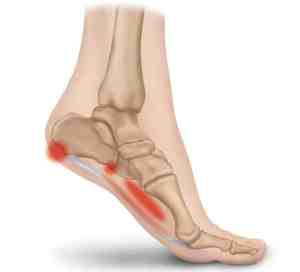
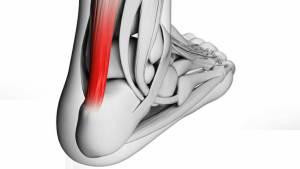
Plantar fasciitis is characterized by inflammation of the plantar fascia, a thick band of tissue that runs across the bottom of the foot, connecting the heel bone to the toes. Plantar fasciitis is one of the most common causes of heel pain. This condition typically causes stabbing pain along the bottom of the foot that usually occurs with your first steps in the morning. Movement usually decreases the pain, but it may return after prolonged periods of standing. It is more common in runners and those who are overweight. Tension and stress on the fascia can cause small tears overtime. Repeated stretching and tearing of the facia can irritate or inflame it, although the cause remains unclear in many cases of plantar fasciitis.
The Most Common Signs & Symptoms of Plantar Fasciitis
- Stabbing pain on the bottom of the foot near the heel
- Worse pain with first few steps in the morning
- Worsening pain with prolonged standing
Risk Factors For Developing Plantar Fasciitis
- Age. Most common in people between the ages of 40 and 60
- Certain Exercises. Exercises that place a lot of stress on your heel such as long-distance running, ballet dancing and aerobic dance
- Structure. Both flat feet, and an excessively high arch can affect the way weight is distributed when you’re standing and can put added stress on the plantar fascia
- Obesity. Excessive weight bearing forces can add extra stress on your plantar fascia
- Occupations that keep you on your feet for excessive periods or standing on hard surfaces