Patellofemoral pain syndrome is often a broad term used to describe pain and discomfort in the front of the knee and around the kneecap, or patella. Patellofemoral pain syndrome is sometimes also known as “runner’s knee” or “jumper’s knee” because it is common in people who participate in sports. However, patellofemoral pain syndrome can occur in the non-athletic population as well. The pain and stiffness caused by this syndrome can make it challenging to climb stairs, kneel down, and perform other everyday normal activities.
Anatomical Structure
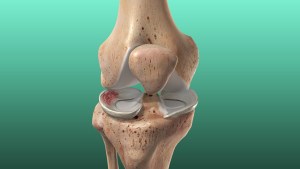
The knee joint is the largest and most complex joint in the human body. It comprises the lower end of the femur (thigh bone), the upper end of the tibia (shin bone), and the patella (kneecap). Several ligaments and tendons connect the femur to the tibia. The four main knee ligaments attach to the bones and provide significant stability for the joint. The quadriceps muscle and tendon connects the front of the thigh to the patella. The patella rests in a groove on the top of the femur called the trochlea. When you bend or extend your knee, the kneecap slides back and forth inside this trochlear groove. Inside the knee joint, articular cartilage covers the ends of the bones in order to help the bones glide smoothly against each other.
Patellofemoral pain syndrome occurs when the structures inside the knee joint are either compressed, damaged, or become hypersensitive. This may occur as a result of kneecap alignment problems and overuse from vigorous athletics or training.
Vigorous physical activities such as jogging, squatting, and climbing stairs put repeated stress on the knee joint. Sudden change in physical activity can also lead to pain in the knee joint. Improper sports training techniques or equipment and changes in footwear can also lead to patellofemoral pain syndrome.
There may also be structural predispositions to patellofemoral pain syndrome where the patella is pushed out to one side of the groove when the knee is bent. This may cause increased pressure inside the knee joint, irritating the soft tissues. Problems in alignment of the lower extremity may result in a kneecap that shifts too far from its axis, causing pain. Weak or imbalanced quadriceps can cause poor tracking of the kneecap within the groove that can also lead to pain.
The Most Common Signs & Symptoms of Patellofemoral Pain Syndrome
- Dull, aching pain in the front of the knee
- Knee pain during exercise, stair climbing, running, jumping, or squatting
- Knee pain after prolonged sitting
- Popping or crackling sounds in your knee
(Source: OrthoInfo)
What Are the Treatments for Patellofemoral Pain Syndrome?
Marcel Jacobs PT provides a hands-on physical therapy approach which means you’re going to get fast access to immediate care in order to soothe and relax those tight and aching muscles, mobilize and loosen those restricted and painful joints, and strengthen your body so that you can go back to doing the things that you love. Your therapist will perform a thorough physical examination and evaluation in order to provide you with a deeper understanding of your impairments, compensations, and dysfunctions. You may find yourself having your concerns eased, questions answered, and physical pain reduced inside of 45 minutes with your physical therapist.