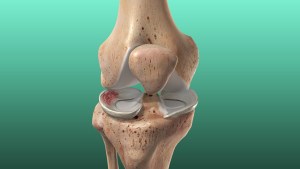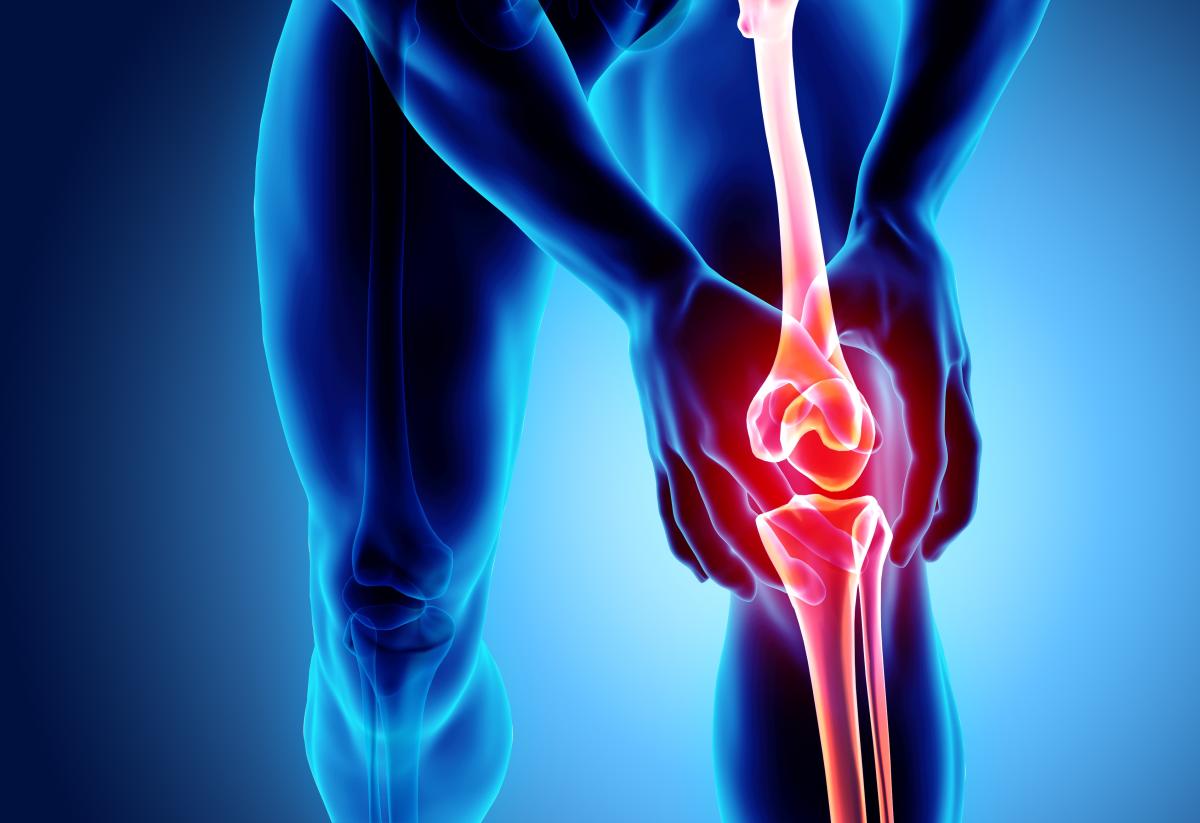
Knee arthritis involves inflammatory responses in the knee joint as a result of deterioration in knee joint cartilage. Cartilage provides a cushion inside the knee joint allowing for smooth bending and extending. As cartilage wears away, the space between the bones in the knee joint narrows. Severe knee arthritis may cause bone on bone rubbing that may form bone spurs. Damage to the knee joint cartilage accumulated over time may result in worsening deformities of the knee joint. Thinning of the cartilage under the kneecap (patella) is called patellofemoral arthritis (kneecap arthritis).
There are many different kinds of knee arthritis, but the ones most likely to affect the knee are osteoarthritis, rheumatoid arthritis and post-traumatic arthritis.
Knee osteoarthritis: Also known as degenerative joint disease. It is the most common form of knee arthritis that is often associated with wear and tear related to aging, and gradually progresses over time. As cartilage in the knee joint breaks down, pain and inflammation increase.
Knee rheumatoid arthritis: An autoimmune disease in which the immune system attacks healthy tissue including the knee. It causes inflammation of the joint capsule surrounding the knee joint. This cycle leads to breakdown of knee cartilage over time. Rheumatoid arthritis can affect people of any age.
Post-Traumatic Knee Arthritis: Any history of knee injury or trauma can contribute to development of knee arthritis. Injuries to the structures of the knee make the joint less stable over time, which may lead to cartilage breakdown.
Knee arthritis can make activities of daily living very difficult, including walking and climbing stairs.
The Most Common Signs & Symptoms of Knee Arthritis
- Pain in the knee especially with prolonged walking or standing.
- Stiffness of the knee joint leading to difficulty bending and extending the knee joint
- Catching and locking of the knee
- Audible cracking, crunching, clicking or snapping (crepitus) sound made when moving a damaged joint.
- Knee weakness
(Source: John Hopkins Medicine)
What Are the Treatments for Knee Arthritis?
Treatment plans may vary depending on the stage and/or severity of the arthritis. Your health care provider may request an X-ray and/or MRI to rule out other possible injuries while determining the severity of the arthritis. Cartilage loss cannot be reversed, but there are ways to reduce pain and prevent further damage. Your knee will certainly require safe and effective strengthening and mobilization to optimize function, while weighing surgical options as necessary. Marcel Jacobs PT provides a hands-on physical therapy approach which means you’re going to get fast access to immediate care in order to soothe and relax those tight and aching muscles, mobilize and loosen those restricted and painful joints, and strengthen your body so that you can go back to doing the things that you love. Your therapist will perform a thorough physical examination and evaluation in order to provide you with a deeper understanding of your impairments, compensations, and dysfunctions. You may find yourself having your concerns eased, questions answered, and physical pain reduced inside of 45 minutes with your physical therapist.