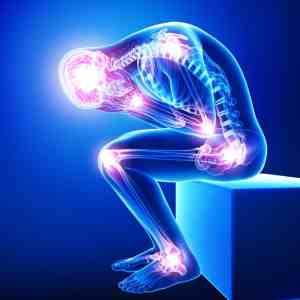
Cervicogenic headaches usually occur when pain is being referred from a specific cervical segment in the neck towards the head. The pain can range from a dull ache to intense pain. Symptoms typically present on one side of the head, neck, and/or face.
Cervicogenic headache usually occurs secondary to a physical or neurologic condition. This condition may be caused by trauma, such as fracture, dislocation, or whiplash injury, or an underlying medical condition such as rheumatoid arthritis, cancer, or infection. Although the source of pain is located in the neck, cervicogenic headache can be difficult to diagnose because pain is not always felt in the neck. Symptoms can sometimes coincide with symptoms of migraine and tension-type headache. Pain is mainly triggered by abnormal movements or postures of the neck. This includes a forward head posture that typically results from prolonged sitting or poor ergonomics. Pain almost always affects the same side of the neck and head, but in uncommon cases both sides may be affected.
The Most Common Signs & Symptoms of Cervicogenic Headache
- Pain originating at the back of the neck and radiating along the forehead, area around the eye, temple, and ear
- Pain along the shoulder and arm on the same side
- Reduced flexibility of the neck
- Eye swelling and blurriness of vision occur on the affected side
(Source: Spine Health)
What Are the Treatments for Cervicogenic Headache?
The prognosis for cervicogenic headache depends on the underlying cause. This type of headache is generally chronic and may continue for months or years. However, once diagnosed the condition can be well managed with conservative treatment. Marcel Jacobs PT provides a hands-on physical therapy approach which means you’re going to get fast access to immediate care in order to soothe and relax those tight and aching muscles, mobilize and loosen those restricted and painful joints, and strengthen your body so that you can go back to doing the things that you love. Your therapist will perform a thorough physical examination and evaluation in order to provide you with a deeper understanding of your impairments, compensations, and dysfunctions. You may find yourself having your concerns eased, questions answered, and physical pain reduced inside of 45 minutes with your physical therapist.