Marcel Jacobs PT – Midtown Manhattan Physical Therapy in NYC

Ankle Instability

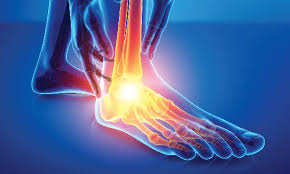
Ankle instability is typically as a result of one or multiple ankle sprains. A sprained ankle is an injury that occurs when you twist, turn, or roll your ankle. This can overstretch or tear the ligaments that hold the ankle joint together. An ankle sprain typically occurs on the outside of the ankle when the ligaments are forced beyond their normal range of motion. The most commonly injured ankle ligaments are the three ligaments that compose the lateral complex: the anterior talofibular (ATFL), the calcaneofibular (CFL), and posterior talofibular (PTFL). 

The Most Common Signs & Symptoms of Ankle Instability or Ankle Sprain

  • Pain, especially with weight bearing
  • Tenderness when touching the ankle
  • Swelling and bruising
  • Limited ankle mobility
  • Popping sensation or sound at the time of injury or sprain

The Most Common Causes of Achilles Instability 

  • Falling or landing awkwardly on your foot causing your ankle to twist
  • Walking or exercising on an uneven surface
  • Someone else stepping or landing on your foot during a sports activity

Risk Factors For Developing Ankle Instability

  • Participation in sports. Ankle sprains are a common injury in sports, especially activities that require jumping, cutting, or rolling or twisting of the foot such as basketball, tennis, football, soccer and trail running.
  • Uneven surfaces. Walking, jogging, or running on uneven surfaces or poor conditions may increase the risk of an ankle sprain, leading to ankle instability. 
  • Prior ankle injury. Once you’ve sprained your ankle or had a previous ankle injury, you’re more likely to injure it again.
  • Poor physical condition. Poor strength, endurance or flexibility in the ankle joints may increase the risk of ankle injury when participating in sports.
  • Improper shoes. Shoes that aren’t appropriate for an activity, as well as high-heeled shoes in general, increase the risk of ankle injury.
(Source: Mayo Clinic)

What Are the Treatments for Ankle Instability?

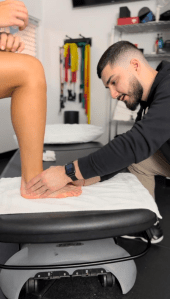
Marcel Jacobs PT provides a hands-on physical therapy approach which means you’re going to get fast access to immediate care in order to soothe and relax those tight and aching muscles, mobilize and loosen those restricted and painful joints, and strengthen your body so that you can go back to doing the things that you love. Your therapist will perform a thorough physical examination and evaluation in order to provide you with a deeper understanding of your impairments, compensations, and dysfunctions. You may find yourself having your concerns eased, questions answered, and physical pain reduced inside of 45 minutes with your physical therapist.

More in Ankle & Foot Pain

Plantar Fasciitis

Plantar fasciitis is characterized by inflammation of the plantar fascia, a thick band of tissue that runs across the bottom of the foot, connecting the heel bone to the toes. Plantar fasciitis is one of the most common causes of heel pain. This condition typically causes stabbing pain along the

Read More »

Ankle Instability

Ankle instability is typically as a result of one or multiple ankle sprains. A sprained ankle is an injury that occurs when you twist, turn, or roll your ankle. This can overstretch or tear the ligaments that hold the ankle joint together. An ankle sprain typically occurs on the outside

Read More »

Achilles Tendinitis

Achilles tendinitis is an overuse injury of the Achilles tendon. The Achilles tendon is a thick and strong tendon that attaches the calf muscles to the back of the lower leg to your heel bone. Tendinitis refers to inflammation of the tendon, causing pain and stiffness. Achilles tendinitis commonly occurs

Read More »

Myofascial Pain Syndrome

Myofascial pain syndrome is a chronic pain disorder characterized by sensitive points in your muscles, also known as trigger points. Trigger points can cause pain in the muscle and may affect unrelated parts of your body, also known as pain referral. Typically, repetitive muscle contraction can lead to this syndrome.

Read More »

Discover more from Marcel Jacobs PT - Midtown Manhattan Physical Therapy in NYC

Subscribe now to keep reading and get access to the full archive.

Continue reading